Skip to content
The V Foundation logo
Donate
  • About Us
  • Stories
  • Research
  • Events & Fundraisers
  • How to Help
  • Donate
  • Home
  • About Us
    • About Us
    • Our Story
    • Leadership & Collaboration
    • Financial Responsibility
    • Partners
    • Diversity, Equity & Inclusion
    • Careers
  • Stories
    • All
    • Inspiration
    • News
    • Team Science
    • V Ambassadors
    • Video & Podcasts
  • Research
    • Research Overview
    • Award Programs
    • Funded Grants
    • Grant Selection Process
    • Special Funds
  • Events & Fundraisers
    • Events & Fundraisers
    • Events Calendar
    • Signature Events
    • Run For Team V
    • Fundraise for the V
    • Fundraising Friends
  • How to Help
    • How to Help
    • Ways to Give
    • Honors and Memorials
    • Shop the V

The Latest

Stories of Survival: Living Jim Valvano’s “Don’t Give Up…Don’t Ever Give Up!”® Mantra

Read more

Mania Club Celebrates a Decade of Community-Driven Impact

Read more

Next Generation of Leaders Accelerate Victory Over Cancer® with $280,000 Raised at Victory Gala in NYC

Read more

A Family Affair: Supporting Cancer Research

Read more
View All

About the Foundation

  • About Us
  • Our Story
  • Leadership & Collaboration
  • Partners
  • Financial Responsibility
  • Diversity, Equity and Inclusion
  • Careers
  • Cookie Policy

How to Help

  • How to Help
  • Ways to Give
  • Honors and Memorials

Research

  • Research Overview
  • Award Programs
  • Grant Selection Process
  • Funded Grants
  • Special Funds
  • Researcher Resources

Stories

  • All
  • Inspiration
  • Team Science
  • V Ambassadors
  • Video & Podcasts
  • News

Events & Fundraisers

  • Events & Fundraisers
  • Events Calendar
  • Signature Events
  • Run For Team V
  • Fundraise for the V
  • Fundraising Friends

For Patients

  • Patient Resources

Tags: Big Ideas|Featured

Big Ideas: Ben Vincent, M.D.

Big Ideas: Ben Vincent, M.D.

Triple negative breast cancer (TNBC) makes up only about 10-15% of all breast cancers, but it is an aggressive form that often spreads, making it harder to treat. TNBC is especially pernicious when it spreads to the brain, where survival is usually less than six months. Treatments may fail to reach these metastases, because the barrier that prevents toxins from reaching the brain may also block cancer therapies, including the immunotherapies that have revolutionized treatment for so many other types of cancer.
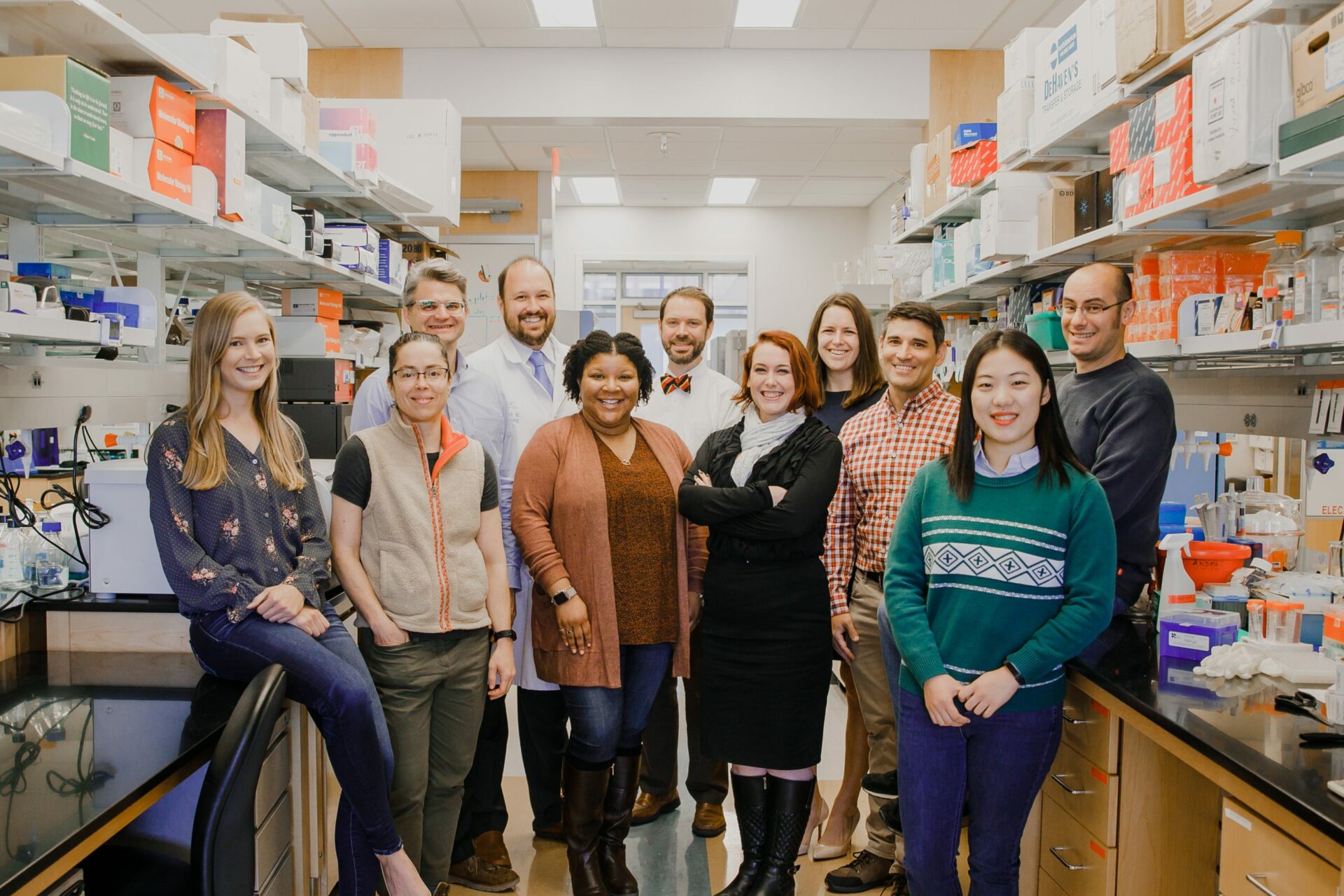
“This is currently a big problem, because more than half of TNBC patients will develop metastases to the brain,” said Ben Vincent, M.D., of the UNC Lineberger Comprehensive Cancer Center. “Normally, the cells of the immune system that attack cancer cells don’t get into the brain as well as they get into other tissues. This is a big clinical unmet need for these patients.”

Vincent and his collaborator, Carey Anders, M.D., at the Duke Cancer Center, are working to help the immune system sneak through the brain’s defenses to attack the cancer cells hiding there.

Their work, funded in part by the 2018 V Foundation Wine Celebration in honor of Robin Lail, is taking a two-pronged approach. The first is an effort to get more immune cells into the brain. For this, they are combining radiation therapy with immunotherapy. The radiation helps open up the blood brain barrier, allowing more immune cells to enter the brain and take on the tumor. The second tactic is to develop a personalized vaccine to build up an army of cancer-fighting immune cells in a patient’s blood. This would boost the number of immune cells that are specially “trained” to seek and destroy tumor cells.

To be successful, however, the team needs both tactics to work in tandem.

“If you can’t achieve both of those things, it doesn’t help the patient,” said Vincent. “If you can make tons of circulating anti-tumor immune cells, but they don’t get to the tumor, you haven’t done anything. If you can open up the tumor to immune cells, but you don’t have enough immune cells to take advantage, that also doesn’t work. So, we have to do both of these things at once in order to have a successful therapeutic strategy.”

The researchers have made strides toward making this treatment a reality. The FDA has given the green light for starting clinical trials for the team’s therapeutic vaccine, which they hope to begin within the next six months. Radiation therapy is already approved for TNBC metastases to the brain. Successful clinical trials for the vaccine-based immunotherapy would be an important step toward realizing the team’s vision for a more personalized – and successful – treatment for this challenging cancer.

Vincent notes that none of this work would have been possible without the funding from the V Foundation.

“The grant from the V Foundation was critical. We couldn’t have done our preclinical work otherwise,” said Vincent. “The National Institutes of Health are very good at providing funds for foundational biological discoveries. But what’s missing is getting research out of the lab and into clinical trials.”

Bringing research from the lab into clinical trials—and ultimately, to patients and families—is what the V Foundation is all about. These are the steps that save lives. These are the steps that could not be done without your continued support. Together, we can turn ideas into cures.

Big Ideas: Patrick Brown, M.D.

Big Ideas: Patrick Brown, M.D.

As more funding leads to more research, we continue to see improvements in treatments for many types of cancer. However, these benefits haven’t reached all cancer patients equally. For example, children who are diagnosed with leukemia have a much higher chance for survival than they did even a decade ago, but infants with leukemia don’t have the same rate of success. While overall cure rates for children with leukemia are nearly 90%, the cure rates for infants with leukemia is much lower, near 40%. The disease is much rarer in infants, but also much harder to treat.

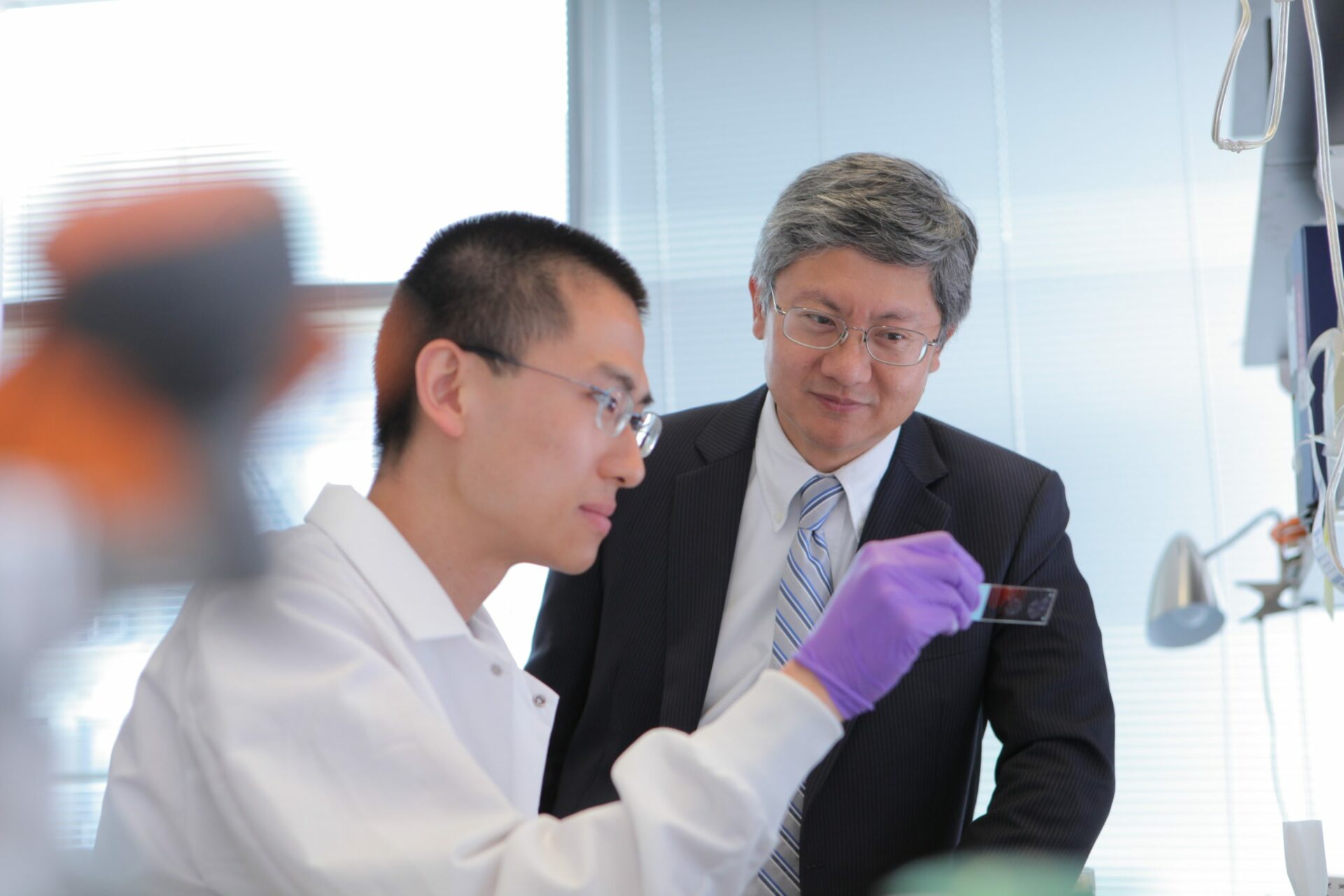
This difference has led Patrick Brown, M.D., and his team at the Johns Hopkins Sidney Kimmel Cancer Center, to focus on what could potentially be the cause of this sizable gap.

“We have discovered that these leukemias in infants may be harder to cure because the cancer cells have abnormal ways of organizing their DNA, called ‘epigenetics,’” said Brown. “We want to understand this better so that we can develop new treatments that will reverse this abnormal DNA organization and make the leukemia easier to cure.”

Traditionally, scientists have tended to focus on how mutations, or changes in DNA sequence, can lead to cancer. Brown and his team are focused on a new area of research that suggests some cancers, such as infant leukemia, may be driven not by the DNA’s sequence but by how it is structured, affecting which genes are turned on and which are turned off.

Instead of searching for another solution by traditional methods, they are opting for something bold and cutting-edge. They aren’t looking for the key to open the front door; they are busting through the wall.

“This research expands our understanding of how cancer can adapt and survive despite our efforts to kill it with chemotherapy, and points the way toward new treatment approaches to prevent the cells from becoming resistant to treatment,” said Brown. “We are hopeful that more babies with leukemia will be successfully treated and cured as a result of this research.”

There is still much to be discovered, because cases are relatively rare and there has not been much research focused in this area. That’s why the V Foundation grant, funded by the Dick Vitale Gala, was so critical. Traditional funding mechanisms often cannot support projects focused on highly innovative research or that focus on rare cancers like infant leukemia. That’s why supporting the V Foundation is critical to making sure cancer research benefits all patients.

I can say with certainty that this research could not have been conducted without the support of the V Foundation. It was of the utmost important in moving this line of research forward, and I could not be more grateful for this support.
Patrick Brown, M.D.

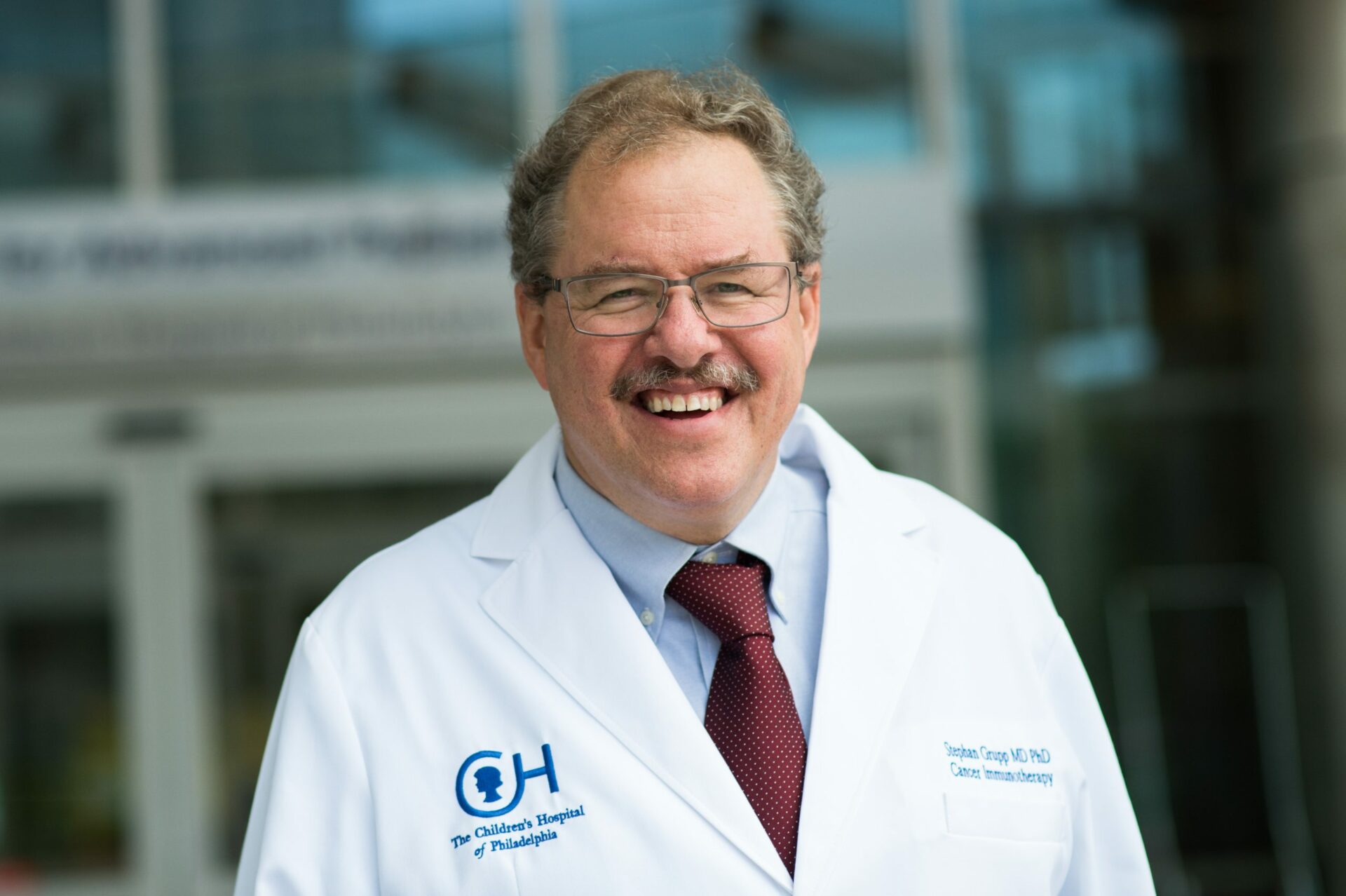
Big Ideas: Stephan Grupp, M.D., Ph.D.

Big Ideas: Stephan Grupp, M.D., Ph.D.

B-cell acute lymphoblastic leukemia (B-ALL) is the most common cancer in kids. The good news is that available therapies are highly successful in taking on the disease. Chemotherapy drives the cancer away for most children, and for those who relapse, an immunotherapy called CAR-T cell therapy is successful 90% of the time. Sounds like a victory worth celebrating, right?

It’s an astonishing achievement, but as we know far too well, cancer cells are smart. They are constantly bobbing and weaving to avoid detection. Despite the promise of immunotherapies, which teach a patient’s own immune cells to recognize and destroy cancer cells, in some cases cancer appears to be getting the upper hand. In more than 20% of patients receiving CAR-T cell therapy for B-ALL, cancer cells are learning to hide the particular protein that this treatment searches for, called CD-19. This allows the cancer to duck the punch and fight another round.

Fortunately, kids with B-ALL have Stephan Grupp, M.D., Ph.D., of the Children’s Hospital of Philadelphia in their corner. Grupp and his team are developing a new targeted therapy to outwit treatment-resistant leukemia cells.

“Often when the patients relapse, that CD-19 target that was on your leukemia cell is no longer there,” said Grupp. “That’s how the leukemia cell dodges the CAR-T cell therapy. We’ve been really focused on trying to fix that problem.”

Their approach? Choose another target. Grupp and his team analyzed cancer cells from patients who experienced relapses after receiving CD-19 targeted therapy, searching for something they could target that most patients had in common. Ultimately, they zeroed in on a protein called CD-22.

“We’ve now developed a second CAR treatment that recognizes CD-22, so we now have separate therapies that can target both CD-19 and CD-22,” said Grupp. “With the V Foundation’s help, we were able to run a clinical trial and it seems to work very well. At least 70% of the patients who initially experienced relapse go back into remission after receiving the CD-22 directed therapy.”

Their hope is that they can continue to decrease the relapse rate in these patients as they fine-tune the targeted therapies that work best. Dual targeting may be an important next step. The success of immunotherapies in cancers like B-ALL, and other blood cancers, gives Grupp hope these treatments can eventually be adopted across the cancer spectrum.

Immunotherapy drugs have shown significant promise and long-term responses. We have seen the impact of these types of treatments in blood cancers. The next big step for cancer research is finding how best to use these to target solid tumors.
Stephan Grupp, M.D., Ph.D.

While it’s frustrating to have to get back into the ring after you thought the fight was over, the truth is there is no magic bullet that solves every problem. Even when a breakthrough proves successful, cancer often finds a way to change the game. But with your help, scientists like Grupp are there to meet the challenge, search for a new weakness and find the next breakthrough. It may feel like a small step, but every small step leads to more lives saved.

Big Ideas: Michael Shen, Ph.D.

Big Ideas: Michael Shen, Ph.D.

Their name may sound like something out of a sci-fi novel, but organoids are very real—and very good for cancer research. Organoids are 3D models made from living tissue. When made from cancer cells, organoids offer an ideal model for studying how tumors respond to cancer therapies. They can even be grown from a particular patient’s tumor cells, allowing doctors to understand the tumor better before deciding which treatments are most likely to work for that patient.

Michael Shen, Ph.D., of the Herbert Irving Comprehensive Cancer Center, is looking into how scientists can use organoids to predict which patients with bladder cancer can be treated with chemotherapy alone, and which patients are better off with a cystectomy (surgical removal of the bladder).

According to the National Cancer Institute, more than 83,000 people will be diagnosed with bladder cancer this year. While survival rates continue to improve (the 5-year rate is currently 77%), many of those survivors have to live the remainder of their lives without a bladder. The standard treatment for a patient with bladder cancer is chemotherapy, followed by a cystectomy. While this approach minimizes the chance the cancer will return, a bladder removal means patients typically must manage their urine with an external tube and pouch that can be prone to infection or leaking.

“You can imagine that many patients don’t want their bladders removed because that is a considerable change to quality of life,” said Shen. ““What we want to do is give patients a rational basis for whether or not to have their bladder removed.”

Shen and his team are using organoids derived from patients with advanced bladder cancer to help determine why certain patients’ tumors are more resistant to chemotherapy, while others see a long-term response with chemotherapy alone.

“We want to understand whether certain genetic mutations may predict the long-term durable response,” said Shen. “In a limited number of samples, all of those with an initial complete clinical response to chemotherapy have mutations in DNA damage response pathway genes, which is quite remarkable. So that idea certainly seems to be borne out in our analysis thus far.”

While there are still hurdles to clear, it’s a promising start. As researchers refine the processes for creating and studying tumor organoids, Shen believes organoids could help to advance both cancer research and personalized cancer treatment

In an ideal world, we could establish organoids from most of the patients who come in with bladder cancer. Through some combination of sequencing the tumor and drug-testing the organoids, we could then come up with a sufficiently strong predictor of whether that patient will have a long-term response to treatment. On a scientific level, this is quite plausible.
Dr. Michael Shen

By furthering their work on this subject, Shen and his team will not only save more patients’ lives, but improve the quality of life for those who survive. In addition to improving the outlook for bladder cancer patients and their families, advancing the use of organoids in cancer research could open the door for countless new ways to take on all types of cancers.

Big Ideas: Dr. Alan Friedman, M.D.

Big Ideas: Dr. Alan Friedman, M.D.

The V Foundation has awarded nearly $55 million in grants towards pediatric cancer research. Alan Friedman, M.D., a professor of pediatric oncology at Johns Hopkins University School of Medicine, received a translational grant in 2018.

Driven to make a difference

When Friedman started his pediatric oncology fellowship at Johns Hopkins over three decades ago, he chose the field not only because of his passion for working with children. “I [also] chose pediatric oncology due to my strong interest in scientific research and what I saw as a strong opportunity to make a difference in that field,” he recalls.

Early on, Friedman’s driving scientific interest was the process of differentiation, how the many different kinds of cells in our body develop from one initial cell. When this process goes as it should, it’s like a miraculous cellular symphony that creates all of the tissues and organs that keep us alive. When it malfunctions, it can lead certain cells to grow out of control, causing cancer.

Friedman chose to focus on how stem cells in our bone marrow create white blood cells, the body’s main defenders against infections and illnesses. Cancers like leukemia develop from white blood cells with defective differentiation, causing these cells to get stuck in an immature state. Ultimately, Friedman hopes to develop a novel leukemia therapy that overcomes this problem, allowing the body to make healthy white blood cells.

Arming the immune system

About eight years ago, Friedman began to investigate the relationship between solid tumors and white blood cells. Many types of solid tumors contain a large number of macrophages, a kind of white blood cell. These macrophages seem to stand guard over the tumor, preventing the body’s immune system from attacking the cancer cells. Currently, Friedman is identifying ways to redirect these tumor macrophages so that instead of protecting the cancer, they activate the immune system to kill cancer cells.

Friedman is already making progress. He discovered that removing a protein called NF-kappaB p50, or p50 for short, from bone marrow stem cells in mice causes the mice to make macrophages that help the immune system attack the cancer cells. When mice with solid tumors such as prostate cancer, pancreatic cancer or neuroblastoma received this white blood cell boost, their tumors grew much slower. In some cases, the tumors even shrunk dramatically.

“I find this research exciting,” said Friedman. “Activating the patient’s own immune system to fight their cancer, so-called immunotherapy is less toxic than standard chemotherapy and has the potential to work against a wide variety of cancers.”

A continuing quest

Though this is a fascinating discovery, Friedman’s work is not yet complete. Without funders like the V Foundation, it would be hard for Friedman to move his research forward and reveal more insights.

Support from the V Foundation has been critical in allowing me to move this therapy forward toward clinical application and to obtain data that will allow me to obtain further support for my research from the federal government.
Dr. Alan Friedman

For more than 30 years, Friedman has been one of many researchers witnessing—and driving—substantial progress in pediatric cancer treatment. While improvements in chemotherapy, bone marrow transplantation and recent efforts in immunotherapy are certainly cause for optimism, Friedman also recognizes some challenges that require further exploration.

“One current challenge is to harness the immune system to make a major difference for children and adults with solid tumors,” said Friedman. “I am hopeful that my laboratory and others can make major strides in this area in the coming decade.”

Friedman and many other researchers need your help. Your support makes new treatment discoveries possible. By funding researchers like Friedman, we are one step closer to Victory Over Cancer®.

Big Ideas: Jessica Blackburn, Ph.D.

Big Ideas: Jessica Blackburn, Ph.D.

What does a young woman from a small town in Kentucky fixing watches and toasters have to do with potentially life-saving cancer research? That’s how Jessica Blackburn, Ph.D. a researcher at the University of Kentucky, first fell in love with science. She always wanted to know more about how things worked. After a molecular biology class in college made her realize that the cells in the body are just little machines, the path became clear.
“I would always attend seminars after classes and the cancer talks always got my imagination the most fired up,” said Blackburn. “It made me realize that cancers are just broken cells that need fixed. I’ve focused on cancer research ever since.”

But starting a career in cancer research is not easy. It can take a large amount of data to secure government grants, and getting that data takes time and money. Blackburn had a good idea, but not much data yet to support it. Blackburn got her big break with a V Scholar Grant from the V Foundation, funded by the Louisville Friends of V.

“The funding from the V Foundation allowed me to start the project and key data showed my idea would work. I was then able to use this data to obtain a $1.5 million grant from the National Institutes of Health in support of this project,” said Blackburn. “Reviewers at the NIH specifically pointed out the V Foundation grant as an indicator that I was on the right track. Having the V Foundation support me and think that I was worth investing in as I was just starting my lab and my independent research career was a big confidence boost. I will never forget how that felt.”

Blackburn’s research focuses on acute lymphoblastic leukemia, which is a common (and deadly) childhood cancer. While available treatments are good at knocking the cancer back, specialized cells called leukemia stem cells can pose a problem. If just one of these cells survives through treatment, the cancer can regrow. Blackburn hopes to find new ways to identify and kill these leukemia stem cells to ensure the cancer does not return.

“No one knows much about leukemia stem cells. They are rare, and once they are taken out of the body, they lose some of their unique and important properties, such as their ability to self-renew and reform a tumor,” said Blackburn. “It’s been very difficult for scientists to study these cells using traditional methods.”

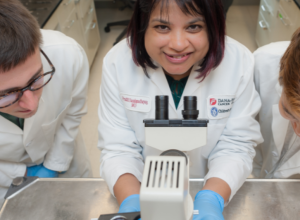
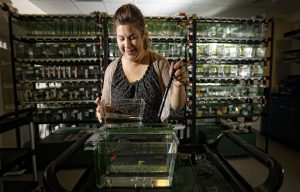
Research lab at BBSRB on Monday September 11, 2017 in Lexington, Ky. Photo by Mark Cornelison /UKphoto

So, just like when she was busy ruining her mom’s electronics as a kid, Blackburn had to think outside the box. The solution? Zebrafish. When zebrafish are engineered to develop a blood cancer, they produce a high amount of leukemia stem cells. Conveniently, they are also great model animals for screening potential new drugs, because they absorb chemicals through their skin. By dosing the fish’s water, researchers can quickly find out whether the drug has potential to treat blood cancer without leaving leukemia stem cells behind.

“We are one of the few labs in the world that has a strain of zebrafish where we can transplant leukemia cells from one animal to another, so we can use special techniques to study leukemia stem cell self-renewal,” said Blackburn. “We are able to use zebrafish to help define why leukemia stem cells self-renew and why they are more drug resistant. I am excited that these new insights can help answer important questions in cancer biology while at the same time possibly provide new and safer treatments for patients.”

From watches and toasters to leukemia stem cells, Blackburn has come a long way. She is now leading the charge toward new treatments for acute lymphoblastic leukemia. This is why your support matters. Funding V Scholars leads to new, innovative ideas that push us closer to Victory Over Cancer®.

Big Ideas: Pratiti Bandopadhayay, M.D., PH.D.

Big Ideas: Pratiti Bandopadhayay, M.D., PH.D.

As the namesake of our pediatric cancer research fund Dick Vitale says, “There are four words no parent wants to hear: ‘Your child has cancer.’” Those words are even more devastating when the diagnosis is diffuse intrinsic pontine gliomas (DIPGs), an extremely aggressive type of brain tumor in kids. Even though research has brought better results for many pediatric cancers, DIPGs have remained difficult to handle. In fact, the five-year survival rate for DIPGs is just 2%.

Pratiti Bandopadhayay was training to become a pediatrician when she encountered kids facing brain tumors. When she saw the limited treatment options available, she decided to take things into her own hands: she went back to school, completed her Ph.D. and began a career as a neuro-oncologist and scientist.

She is now focused on developing new treatments for DIPGs at Boston Children’s Hospital and received a V Scholar Grant from the V Foundation in 2019, funded by the Dick Vitale Pediatric Cancer Fund.

Bandopadhayay and her team are focused on a gene called PPM1D, which is often mutated in children with DIPGs. They hope by studying this gene, they can target it, reverse the mutation and then develop new medications that can take out DIPGs.

“Our goal is to have effective treatments for every child, tailored to their exact tumor and the mutations found in it,” said Bandopadhayay. “By looking for errors in the DNA, we can see how cells differ within a tumor and that allows us to understand how these mutations may help the cancer develop.”

This type of research is critical. Pediatric brain tumors are the leading cause of cancer-related death in childhood, and many children who survive brain cancer are left with devastating side effects. Despite the clear need for better treatments, it can be tough for researchers like Bandopadhayay to get funding for their research without organizations like the V Foundation.

“Because the total number of children diagnosed with brain tumors is a lot lower than adult cancers, less resources and funding are available for pediatric cancers,” said Bandopadhayay. “Supporters of organizations like the V Foundation are changing this: the research you fund allows us to take ideas and see if they work in the lab, helping us move research forward more quickly. In fact, we have been able to use results from our V Scholar grant to obtain more funding to keep the research growing, including a Merit Award from the National Cancer Institute.”

Your donations make a difference. Scientists like Bandopadhayay and her team need your help to continue moving us closer to solving the mystery of aggressive cancers like DIPGs.

My dream and my goal is to be able to look every family in the eye and say ‘I am so sorry that your child has a brain tumor, but the good news is we have treatments that not only will cure them, but won’t cause side effects so they can go on and live the life they’re supposed to.’
Pratiti Bandopadhayay, M.D., PH.D.

Every dollar you give helps researchers find more breakthroughs. It helps them develop better treatments. And eventually, it will make those four words no parent wants to hear much easier to stomach.

Big Ideas: Robert Gatenby, M.D.

Big Ideas: Robert Gatenby, M.D.

Rats are wreaking havoc on a farm, so the farmer brings in an owl to hunt the rats. At first it works, but eventually the rats learn how the owl hunts. They adapt, and the rat population starts to rebound. Since the owl is no longer working, the farmer brings in a snake. The rats’ strategies for evading the owl do not work against this new adversary, and the snake successfully solves the rat infestation.

What do rats, owls and snakes have to do with cancer treatment? Actually, they provide the perfect analogy for the “double-bind” cancer treatment that could potentially change how we take on this disease.

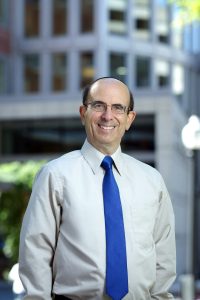
This theory is being applied by Robert Gatenby, M.D., of the Moffitt Cancer Center and Research Institute. Because tumor cells evolve to become resistant to certain treatments, we have to keep them on their toes with differing therapies.

“We have good therapies in a lot of cancers now, and the initial response is frequently excellent,” said Gatenby. “But the problem is the cancer develops resistance. By doing that, the cancers, even when they look like they are in remission, can recur. The cells become resistant to the therapy, and once you get to that point, it’s very hard to gain control of the tumor again.”

It is currently standard practice to use cancer drugs at the maximum tolerated dose continually until the cancer starts to show regression. Because there are about a billion cancer cells in a single gram of a tumor, cancer cells have a tremendous amount of genetic variation, which means a tremendous number of opportunities to evolve resistance to a treatment. Gatenby wondered whether doctors could delay that resistance by dialing back the intensity of the therapy, thus reducing the pressure for cancer cells to adapt.

By studying how and when cancer cells develop resistance, Gatenby aims to create a new strategy to put cancer in a double bind. The idea is that doctors can first use standard treatments, perhaps at a lower dose, to get a patient into remission, then follow that with different types of therapies to keep them there.

A 2016 Designated Grant from the V Foundation gave Gatenby’s team the support they needed to test their theory. In their first clinical trial, focused on prostate cancer, they saw that cutting a chemotherapy drug’s dose by half or more actually extended the effectiveness of treatments from 14 months to more than 30 months, with 25% of patients stable after more than five years, an extremely high number for this type of therapy.

The research suggests that in some cases, less is more when it comes to cancer treatment.

What we are focusing on is reducing the dose of drugs. Doing that lets the patients have a better quality of life with the goal of eventually turning the cancer into a chronic disease that would be present but not bothering the patient and allowing them to still live a high-quality life.
Robert Gatenby, M.D.

Gatenby says the approach could work for many cancer types. His team is currently testing a similar strategy with teenagers facing sarcoma, a cancer for which the double-bind could potentially offer a cure.

The team’s early successes have given Gatenby a great deal of optimism about the future.

“I believe we are making tremendous strides, and by integrating evolutionary dynamics into cancer therapy, we can begin to control one cancer after another before we master this disease,” said Gatenby. “I think we will have substantial control of cancers in this next decade, and I would not have said that ten years ago.”

This optimism, and the theories and therapies that bring it about, are possible because of research funded by people like you. The “Don’t Ever Give Up” spirit of V donors and supporters continues to fund research that brings more hope and saves more lives.

Big Ideas: Leonid S. Metelitsa, M.D., Ph.D.

Big Ideas: Leonid S. Metelitsa, M.D., Ph.D.

Vaccines are a game-changer in the fight against COVID-19. Could the same be true for cancer?

Leonid S. Metelitsa, M.D., Ph.D., of the Texas Children’s Hospital, believes a new vaccine may turn the tables on one of the most heartbreaking diagnoses a family can face: childhood neuroblastoma. If successful, the vaccine could even bring new treatment options for many other types of cancer.

Neuroblastoma usually strikes during early childhood and can be extremely aggressive. In about half of patients, the cancer has already spread and is hard to treat by the time it is detected. While there are success stories with current treatments, the cancer often comes back within a few months or years.

Metelitsa’s work is supported by a 2016 V Foundation Translational Grant funded by the Buster and Kristen Posey fund with recognition to Dick Vitale. The research concentrates on improving the options for children facing the most aggressive form of the cancer – and the most daunting odds.

“Despite a number of different treatment options including surgery, high-dose chemotherapy, bone marrow transplants and more, the outcome for the disease is still poor for many patients,” said Metelitsa. “Our vaccine targets a specific antigen that is associated with the aggressive features of the disease such as protecting tumor cells from death and resisting therapies.”

How does it work? The vaccine focuses on a common marker (or antigen) called Survivin, that exists not only in neuroblastoma, but in many other types of cancers. Metelitsa and his team use a weakened version of Salmonella bacteria to carry the vaccine. The vaccine then teaches the body’s immune cells to recognize the antigens and eliminate the tumor cells.

But why Salmonella?

“People who get infected with Salmonella usually respond with a strong immune response,” said Metelitsa. “We discovered we could use this bacteria as a vehicle to deliver tumor-associated antigens found in neuroblastoma and produce an effective immune response.”

While Metelitsa and his team were confident they could use Salmonella to carry the vaccine, they needed additional funding to hone the vaccine’s ability to target the right antigen – and put it to the test. A V Foundation grant came just in time.

There can be a gap to find funding and go from something we know should work to then developing the supporting evidence to get it to a clinical trial. The V Foundation provided the funding to bridge that critical gap between basic science and clinical trials.
LEONID METELITSA, M.D., PH.D.

The team is now in the beginning stages of a clinical trial (which has admittedly been slowed by the COVID-19 pandemic) to test the vaccine’s safety in adults with multiple myeloma, another cancer that features high levels of Survivin. By year’s end, they hope to have enough safety data to begin trials with children facing neuroblastoma.

Eventually, the team plans to explore whether the vaccine could offer a new treatment option for other tumors that contain Survivin, but for now, Metelitsa is focused on making neuroblastoma deaths a thing of the past.

The vaccine, however, would not replace existing treatments.

“We’ll get rid of the bulk of the disease through standard therapies, and once the patient finishes treatment and their immune system is restored, we would give the vaccine,” said Metelitsa. “By generating a protective immunity against the tumor, we hope it can lead to complete eradication of the tumor and long-term immunity.”

That means more kids growing up and living healthy lives and fewer parents losing their children to this deadly disease. Once again, research moves us closer to Victory Over Cancer®.

Big Ideas: Vered Stearns, M.D.

Big Ideas: Vered Stearns, M.D.

In his unforgettable speech at the 2014 ESPYS, Stuart Scott said, “When you die, it does not mean that you lose to cancer. You beat cancer by how you live, why you live and the manner in which you live.” He passed away less than a year later, but true to his words, he continues to persist in beating cancer through the Stuart Scott Memorial Cancer Research Fund.

The Fund was established in 2015 following Stuart’s death to tackle a problem that was near to his heart: cancer disparities and the urgent need to improve outcomes for African American and other minority patients who are disproportionately affected by cancer. In fact, African Americans have a higher overall death rate from cancer than any other racial or ethnic group in the U.S. Since the Fund was established, the V Foundation has awarded $10.5 million in research grants to lift this heavy burden by finding cures that work for the communities that need them most.

Taking on TNBC

One such grant went to Vered Stearns, M.D., and Roisin Connolly, M.D., of the Sidney Kimmel Comprehensive Cancer Center at Johns Hopkins. Their team is taking an individualized approach to preventing and treating breast cancer, specifically metastatic Triple Negative Breast Cancer (TNBC). African American women are more likely to get TNBC – and more likely to have the most aggressive type and to die from it – compared to white women. Despite the clear need for cures, treatments for TNBC are less effective and have harsher side effects than other breast cancer therapies, in part because many of the studies that led to revolutionary cancer treatments in the past were tested mostly in white women.

Stearns wants to change that – and change the outlook for women facing a TNBC diagnosis – by focusing on the minority patients who have historically faced the highest risk.

“The Stuart Scott Fund is critical to improve the understanding of the biological basis of cancer disparities experienced by patients of minority populations,” said Stearns. “The Fund will ensure diversity in clinical investigation. It is critical to both understand the role of standard treatments in diverse populations and to develop new and specific strategies to improve cancer-related outcomes of all individuals.”

An Exciting Time

Dr. Evanthia Roussos Torres and her team conduct much of the laboratory work for this project.

Stearns has already identified promising new therapies to bring to these diverse trials. Her team’s research suggests a new combination therapy may be able to convert tumors that traditionally do not respond to immunotherapy into ones that do.

“Our team has demonstrated that combining an HDAC (histone deacetylase) inhibitor called entinostat with an immune-checkpoint blockade in laboratory models led to the eradication of breast tumors and long-term cures,” said Stearns. “Research suggests that entinostat may alter the tumor environment by affecting the regulatory immune cells that can prevent immune-checkpoint agents from fighting cancer.”

The researchers have begun an early phase clinical trial in TNBC patients. As they await results in the coming months, they will be looking to see if the combination therapy could represent a new treatment path for patients left behind by previous treatment advancements.

Stearns said it’s an exciting time for the field, with numerous new technologies now available to assess cancer characteristics, develop novel treatments and extract valuable information from the medical records of millions of individuals. She said she hopes continued collaboration will keep leading to new breakthroughs that can benefit everyone.

Coming Together to End Disparities

“The challenge is that even within a type of cancer there are multiple subtypes, and it is hard for one investigator or one cancer center to truly evaluate the value of new treatments or devices, especially benefits and risks to diverse populations,” said Stearns. “I am hopeful that by bringing together individuals from multiple disciplines and centers to provide the most robust evaluation of tumors and treatments, ensure diverse clinical trial enrollment and curate data from every individual, we will see robust improvements in cancer-related outcomes.”

Thanks to the Stuart Scott Memorial Cancer Research Fund, scientists like Stearns and her team are continuing to open doors for those who suffer the highest burden from cancer. And because we’ll never stop being motivated by Stuart’s legacy, we’ll continue to “Fight Like Hell” to put an end to cancer disparities.

Posts navigation

Older posts

Join Our Mailing List

Follow Us
Facebook logo Twitter logo Instagram logo TikTok logo
Language
Get In Touch

The V Foundation for Cancer Research, 14600 Weston Parkway, Cary, NC 27513
Email: [email protected]    Phone: 919-380-9505

Charity Navigator logo Candid GuideStar logo
About Us
  • About Us
  • Our Story
  • Leadership & Collaboration
  • Partners
  • Financial Responsibility
  • Diversity, Equity and Inclusion
  • Careers
  • Cookie Policy
Stories
  • All
  • Inspiration
  • Team Science
  • V Ambassadors
  • Video & Podcasts
  • News
Research
  • Research Overview
  • Award Programs
  • Grant Selection Process
  • Funded Grants
  • Special Funds
  • Researcher Resources
Events
  • Events & Fundraisers
  • Events Calendar
  • Signature Events
  • Run For Team V
  • Fundraise for the V
  • Fundraising Friends
How to Help
  • How to Help
  • Ways to Give
  • Honors and Memorials
Copyright © 2026 V Foundation for Cancer Research. All rights reserved.
The V Foundation for Cancer Research is a 501(c)(3) charitable organization. Federal Tax ID Number is 13-3705951.
Legal Privacy Policy
Manage Consent
To provide the best experiences, we use technologies like cookies to store and/or access device information. Consenting to these technologies will allow us to process data such as browsing behavior or unique IDs on this site. Not consenting or withdrawing consent, may adversely affect certain features and functions.
Functional Always active
The technical storage or access is strictly necessary for the legitimate purpose of enabling the use of a specific service explicitly requested by the subscriber or user, or for the sole purpose of carrying out the transmission of a communication over an electronic communications network.
Preferences
The technical storage or access is necessary for the legitimate purpose of storing preferences that are not requested by the subscriber or user.
Statistics
The technical storage or access that is used exclusively for statistical purposes. The technical storage or access that is used exclusively for anonymous statistical purposes. Without a subpoena, voluntary compliance on the part of your Internet Service Provider, or additional records from a third party, information stored or retrieved for this purpose alone cannot usually be used to identify you.
Marketing
The technical storage or access is required to create user profiles to send advertising, or to track the user on a website or across several websites for similar marketing purposes.
  • Manage options
  • Manage services
  • Manage {vendor_count} vendors
  • Read more about these purposes
View preferences
  • {title}
  • {title}
  • {title}
Manage Consent
To provide the best experiences, we use technologies like cookies to store and/or access device information. Consenting to these technologies will allow us to process data such as browsing behavior or unique IDs on this site. Not consenting or withdrawing consent, may adversely affect certain features and functions.
Functional Always active
The technical storage or access is strictly necessary for the legitimate purpose of enabling the use of a specific service explicitly requested by the subscriber or user, or for the sole purpose of carrying out the transmission of a communication over an electronic communications network.
Preferences
The technical storage or access is necessary for the legitimate purpose of storing preferences that are not requested by the subscriber or user.
Statistics
The technical storage or access that is used exclusively for statistical purposes. The technical storage or access that is used exclusively for anonymous statistical purposes. Without a subpoena, voluntary compliance on the part of your Internet Service Provider, or additional records from a third party, information stored or retrieved for this purpose alone cannot usually be used to identify you.
Marketing
The technical storage or access is required to create user profiles to send advertising, or to track the user on a website or across several websites for similar marketing purposes.
  • Manage options
  • Manage services
  • Manage {vendor_count} vendors
  • Read more about these purposes
View preferences
  • {title}
  • {title}
  • {title}