
“When It’s Your Child, It’s Life-Changing”: Paul Hale’s Mission to Advance Pediatric Cancer Research
For 51 years, Paul Hale has been living proof of what pediatric cancer research can accomplish.
In 1975, six weeks into his freshman year at the University of Florida, Paul Hale noticed persistent pain in his right knee. A visit to the campus infirmary led to imaging at UF Shands Hospital, where doctors discovered a plum-sized tumor, osteosarcoma, a form of bone cancer.
Paul met with William F. Enneking, M.D., widely regarded as one of the pillars of modern orthopedic oncology, to form a game plan. Dr. Enneking’s groundbreaking chemotherapy protocol required amputating Paul’s right leg, but it gave him a second chance at life.
Over the next five decades, Paul would face 11 primary cancer diagnoses, including seven different types of cancer, due to Li-Fraumeni Syndrome, a genetic mutation in the TP53 gene that increases cancer susceptibility. Yet, with every new diagnosis, Paul witnessed the tangible progress of science.
“I’m a product of the victories our cancer researchers have realized these last 50 years, from the start of the war on cancer,” Paul said. “And with each new cancer diagnosis, I’ve found those treatments to be less taxing than the ones I received just a few years earlier. And it gives me hope and strength to keep fighting, diagnosis after diagnosis.”
The Diagnosis that Changed Everything
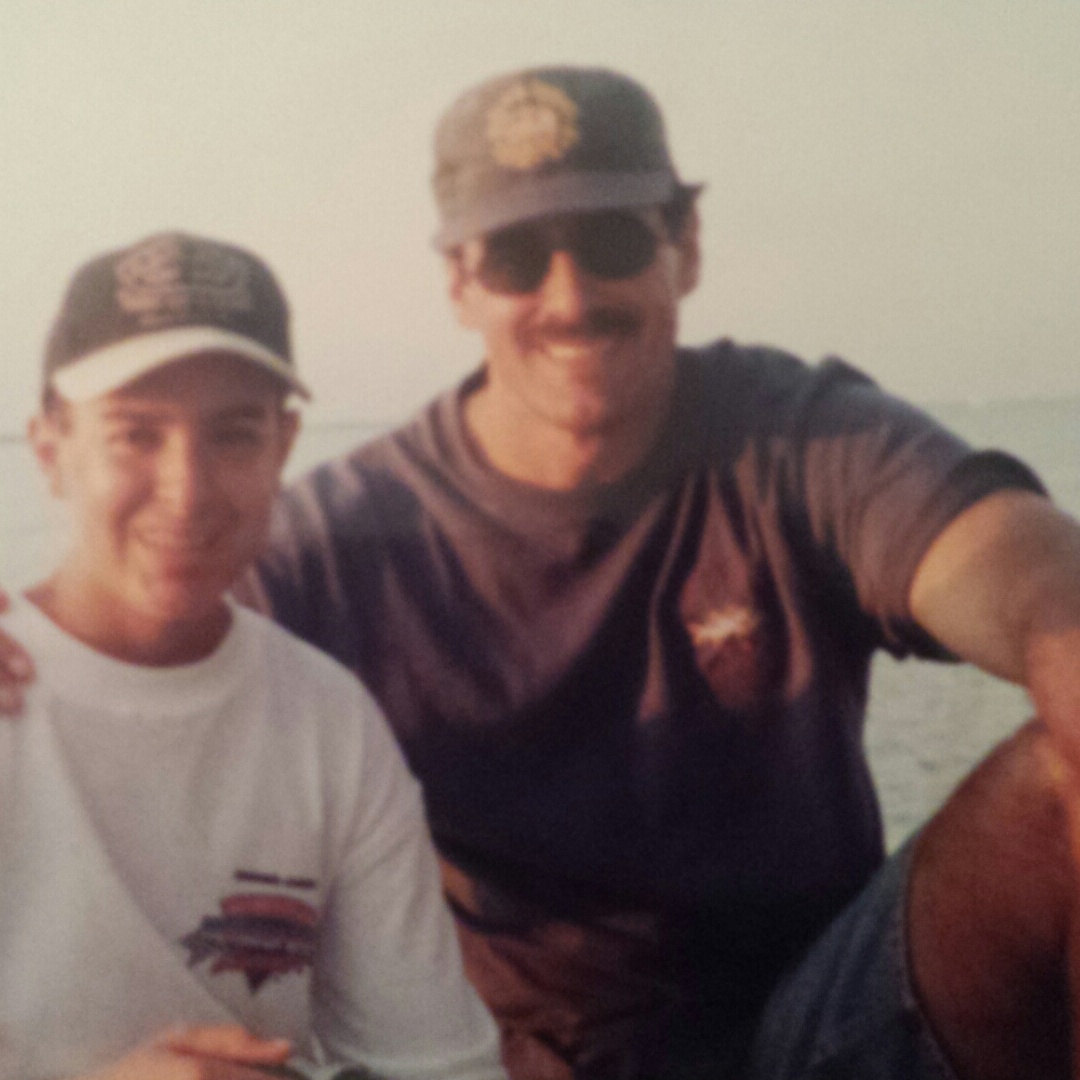
Paul earned his degree, met his wife and became a father to his son Bret. But on Easter Sunday in 1995, when Bret was just 10 years old, the family faced devasting news. Bret was diagnosed with medulloblastoma, pediatric brain cancer.
Having battled cancer in his youth, Paul knew what it meant to go through treatment, but watching his own child endure it was entirely different.
Bret underwent the gold standard of treatment available at the time and experienced three years of remission. His doctors were optimistic about his long-term survival. Then, just days before Bret’s 14th birthday, the cancer returned with a vengeance.
For the next 11 months, Paul relentlessly searched for treatment options, speaking with top physicians and researchers across the country. He was stunned to discover how little progress had been made in that area of cancer research. On February 15, 2000, seven weeks before his 15th birthday, Bret’s battle ended.
“Being a caregiver to anyone battling cancer can be both sobering and inspiring at the same time,” said Paul. “But when it’s your child, it’s life-changing.”
Grief into Purpose
Refusing to let heartbreak defeat him, Paul turned his grief into action, determined to address the critical lack of funding, resources, and collaboration holding back pediatric research.
Over the next two decades, Paul worked with the South Florida community to build awareness and raise millions of dollars for pediatric brain cancer research. Inspired by Jim Valvano and Dick Vitale, he made it his mission to ensure other families – and children like Bret – would not face the same lack of options.
“I’ve lived coach Valvano’s speech every day of my life since hearing him deliver it,” said Paul. “People need to have hope when fighting cancer; it’s more than half the battle. If you see other people with cancer living longer, making the most of their day, it impacts your hopes for your own Victory Over Cancer.”
Finding Hope in Dr. Duane Mitchell
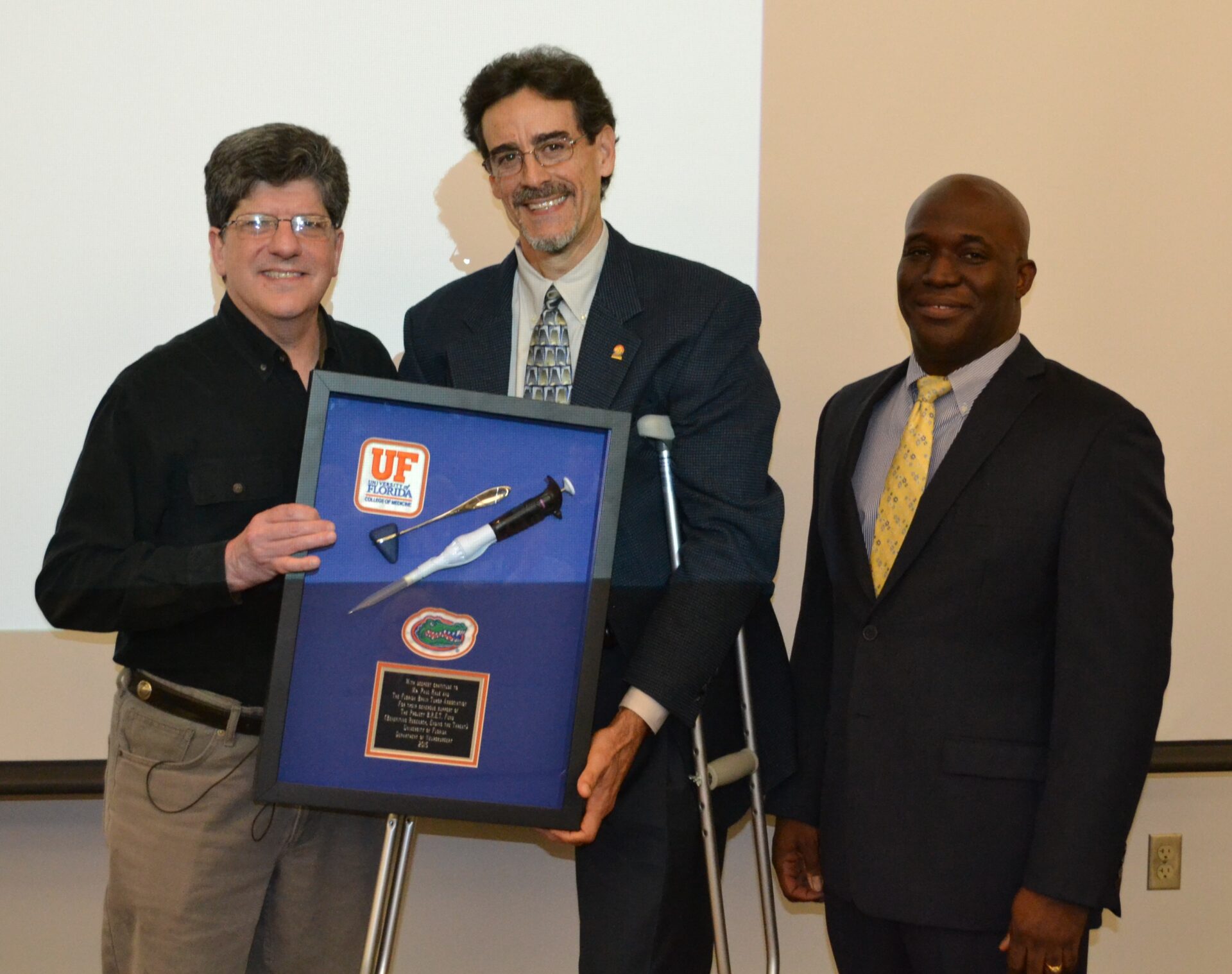
Paul’s work eventually led him to Duane Mitchell, M.D., Ph.D.; a brilliant brain cancer researcher recruited to the University of Florida whose work focuses on improving how pediatric brain tumors are treated.
Recognizing Dr. Mitchell’s transformative vision, Paul helped connect him to the V Foundation, introducing him to the community at the annual Dick Vitale Gala that raises lifesaving funds for pediatric cancer research.
Since then, Dr. Mitchell has received two V Foundation grants focused on developing personalized immunotherapy treatments for pediatric brain cancer.
Having seen firsthand how traditional treatments impacted Bret, Paul views Dr. Mitchell’s work in targeted immunotherapy as a vital breakthrough, one that offers safer, more precise treatments with fewer long-term side effects for kids.
A New Era of Discovery
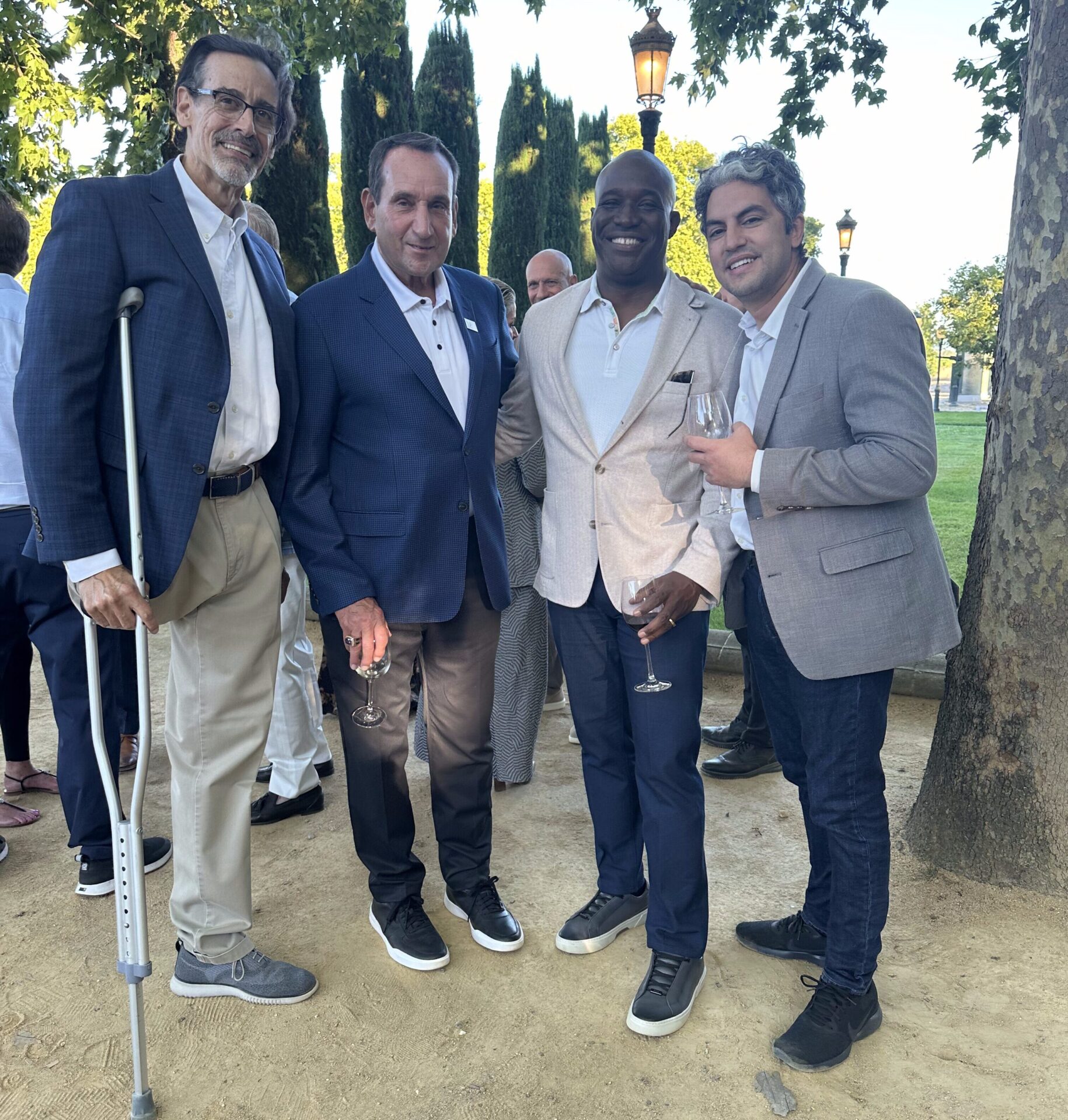
Today, Paul continues to be a voice for pediatric cancer research, energized by how artificial intelligence is advancing scientific discovery for childhood cancers.
Artificial intelligence is accelerating the pace at which researchers can analyze complex information, turning data into what Dr. Mitchell calls “actionable intelligence.”
But Paul knows that technology alone won’t win the victory. New technology requires investment. For the next generation of breakthroughs to reach children, researchers need funding. That’s why he remains dedicated to funding pediatric cancer research.
“There has never been more hope for people fighting cancer than there is today,” said Paul. “I want other survivors to be inspired and realize that a single person can make an extraordinary difference.”