
From Diagnosis to the Red Carpet to the Rink: Sunny Keeps Shining
How pediatric cancer patient Sunny Thornton’s journey shows the power of and need for more research
Five-year-old Sunny Thornton’s favorite hockey player is Washington Capitals captain Alex Ovechkin.
Ovi was her favorite player before she was diagnosed with high-risk B-cell acute lymphoblastic leukemia on March 18, 2025.
And he probably will be after she completes her treatment, hopefully in the summer of 2027.
Between those two dates, the journey she’s on is life changing.
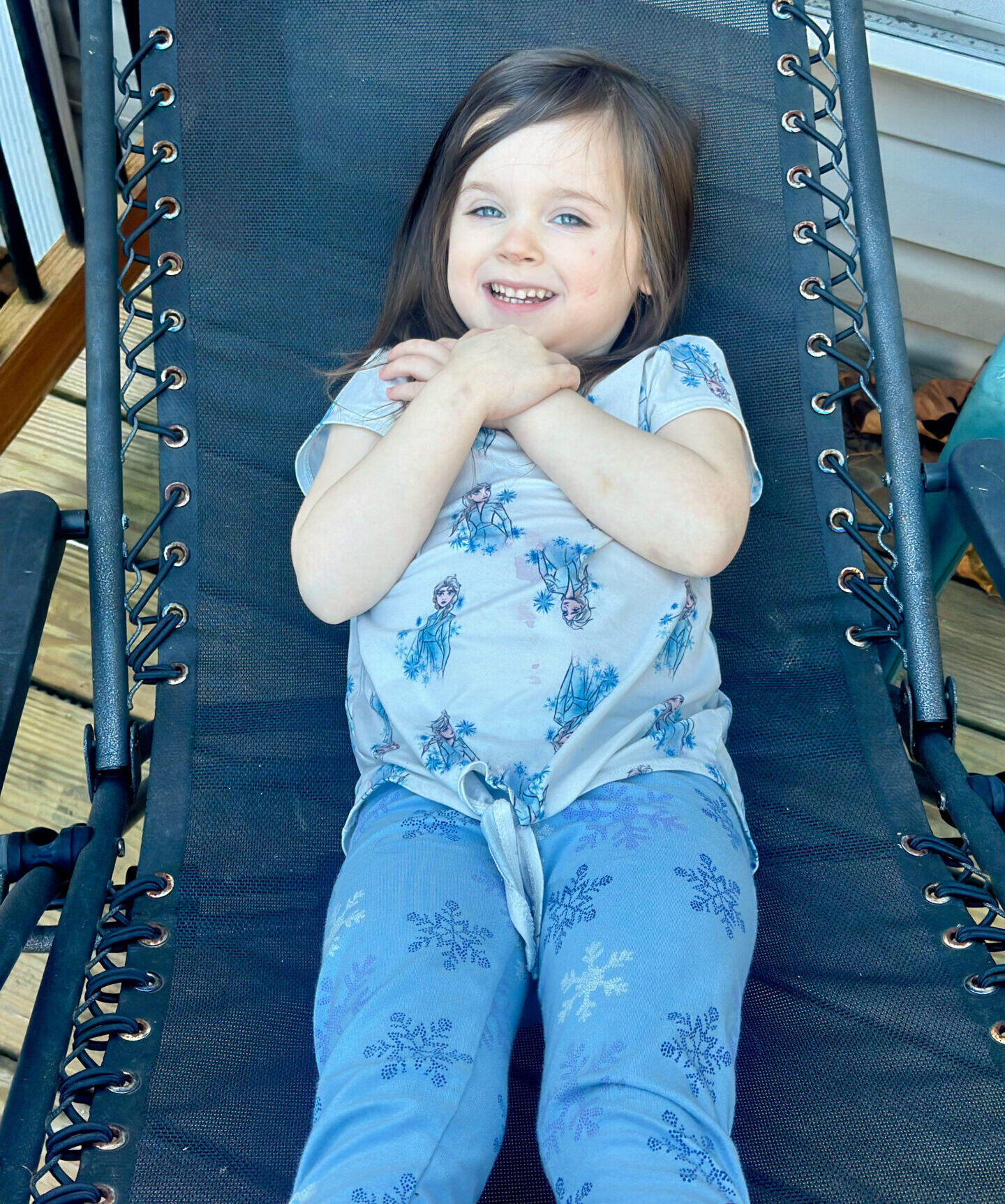
Sunny when she came home from daycare on March 11
A Mother’s Intuition
When Sunny’s mom, Katie, got a call at work on March 11, 2025, that Sunny was tired, lacked appetite and had a fever at daycare, she knew something wasn’t right. After negative flu, COVID-19, and strep throat tests at the pediatrician’s office, Sunny’s abdomen was tender, which wasn’t normal. The doctor gave them signs to watch for in case of an emergency, and they returned home. Over the next couple of days, Katie, a nurse, treated Sunny’s fever with Tylenol and Motrin.
On Saturday night, Sunny woke up in significant pain, specifically in her ear and abdomen. Katie took her to the emergency room. The physician diagnosed her with a potential minor ear infection but declined blood work again.
Katie and Sunny returned to the pediatrician Monday morning and strongly requested blood work and imaging. They received the orders and went to another location to have the diagnostic work done.
“Before I even made it home from getting her labs done, I got a call from the pediatrician stating that all of Sunny’s lab values were very critical,” Katie said. “Her hemoglobin and her platelets specifically were very critically and dangerously low; and her white blood cell count was very elevated, which concerned them for leukemia.”
Katie was told to stop what she was doing and immediately drive to MedStar Georgetown University Hospital, about two and a half hours from their home in Southern Maryland. Sunny was admitted directly into the Pediatric Intensive Care Unit that evening.
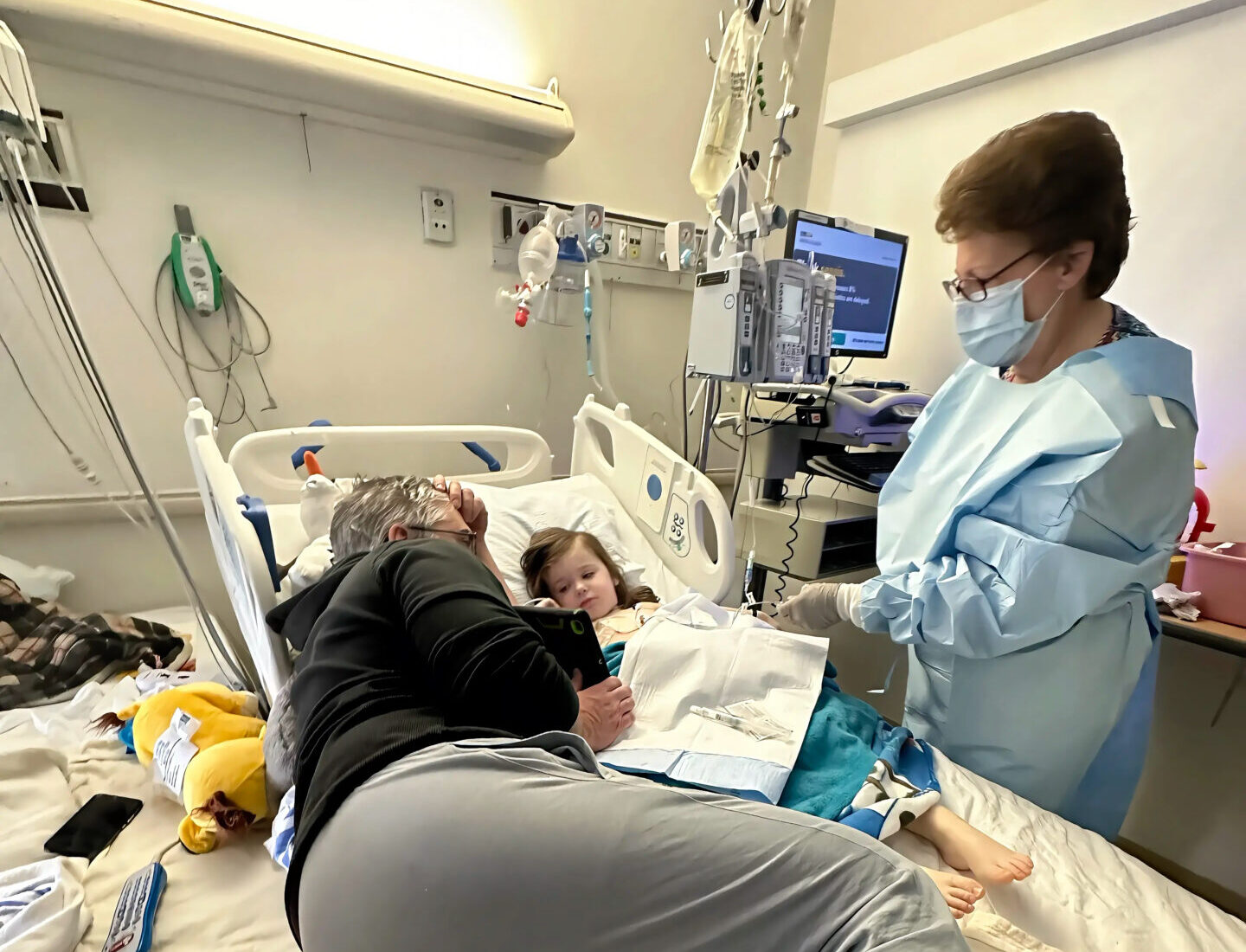
Sunny's first chemotherapy treatment
Sunny’s Leukemia Treatment
On March 18, 2025, a bone marrow biopsy confirmed a high-risk B-cell acute lymphoblastic leukemia diagnosis. She had a port placed and received her first chemotherapy treatment that day . It was a whirlwind of intense physical and emotional challenges.
“Those first 48 hours I will never forget,” Katie said. “They kind of left a scar on me. It was a lot of holding Sunny down to get blood work, lots of labs, lots of different medical personnel coming in and out of the rooms, telling us lots of things that I don’t know we were truly digesting because of the gravity of the situation and things happening so quickly.”
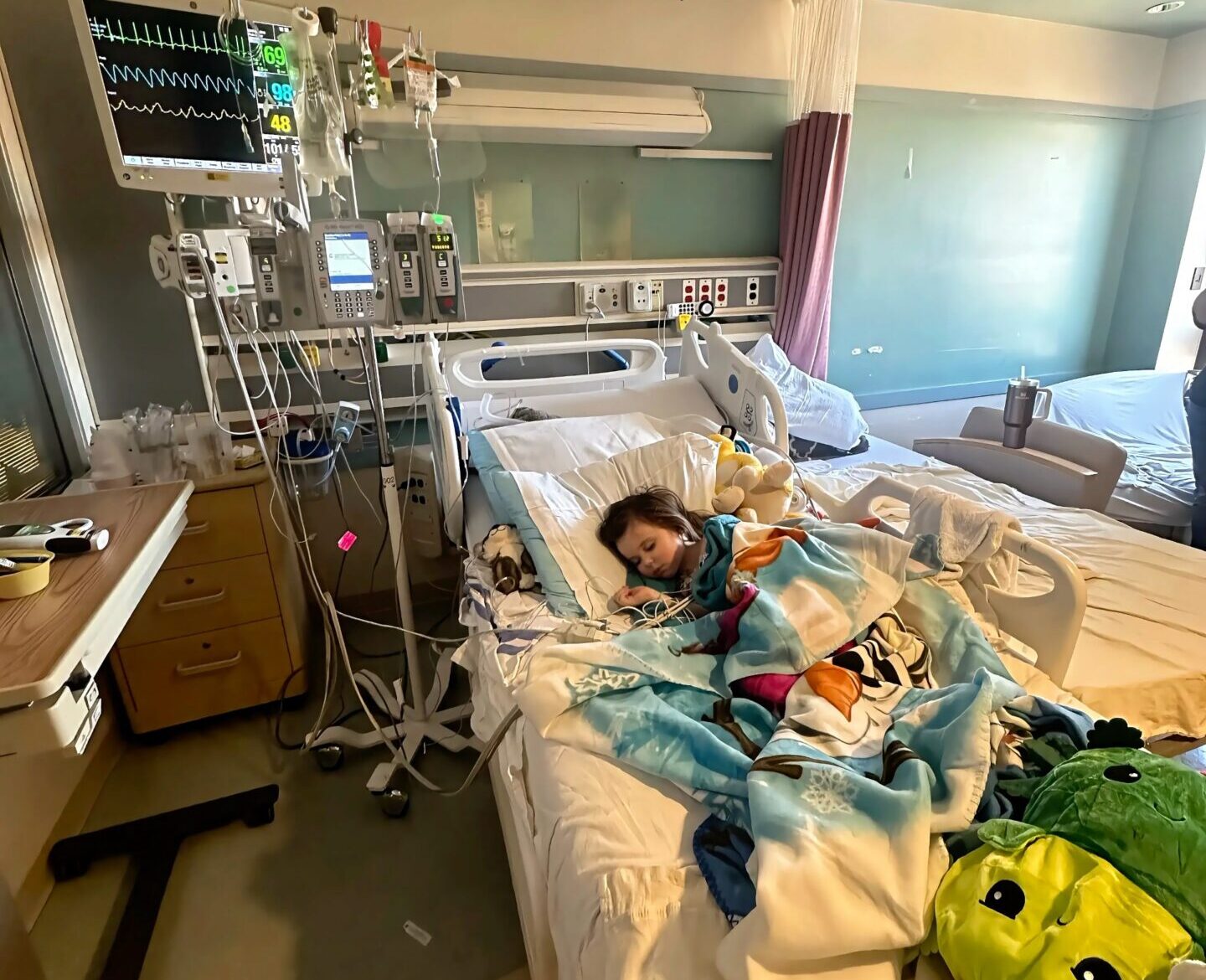
The first year of her treatment was filled with hospital stays and unexpected hits, including going into septic shock that required prolonged IV antibiotics and stabilization interventions, and an allergic reaction to an IV chemotherapy drug. The reaction meant she had to switch to a demanding schedule of intramuscular injections – six shots every two weeks spread over several rounds. Add routine lumbar punctures, two separate twenty-eight day long continuous infusions where Sunny had to keep her port accessed and carry her medication and pump in a backpack, other infusions and unpredictable emergency admissions for fevers, and it was extremely difficult.
Living two and a half hours from the hospital created challenges as well. Thankfully, Sunny and Katie were able to stay at the local Ronald McDonald House near Georgetown when needed to meet the demands of her treatment schedule. But the physical and mental toll was taxing.
“When you have cancer, things are jeopardized. Vacations, holidays, anniversaries, birthdays, and other everyday events that you don’t think about. But, when they’re taken from you, it kind of puts it in a different perspective. Being in the hospital, your world can get really small. It can feel really isolating.”
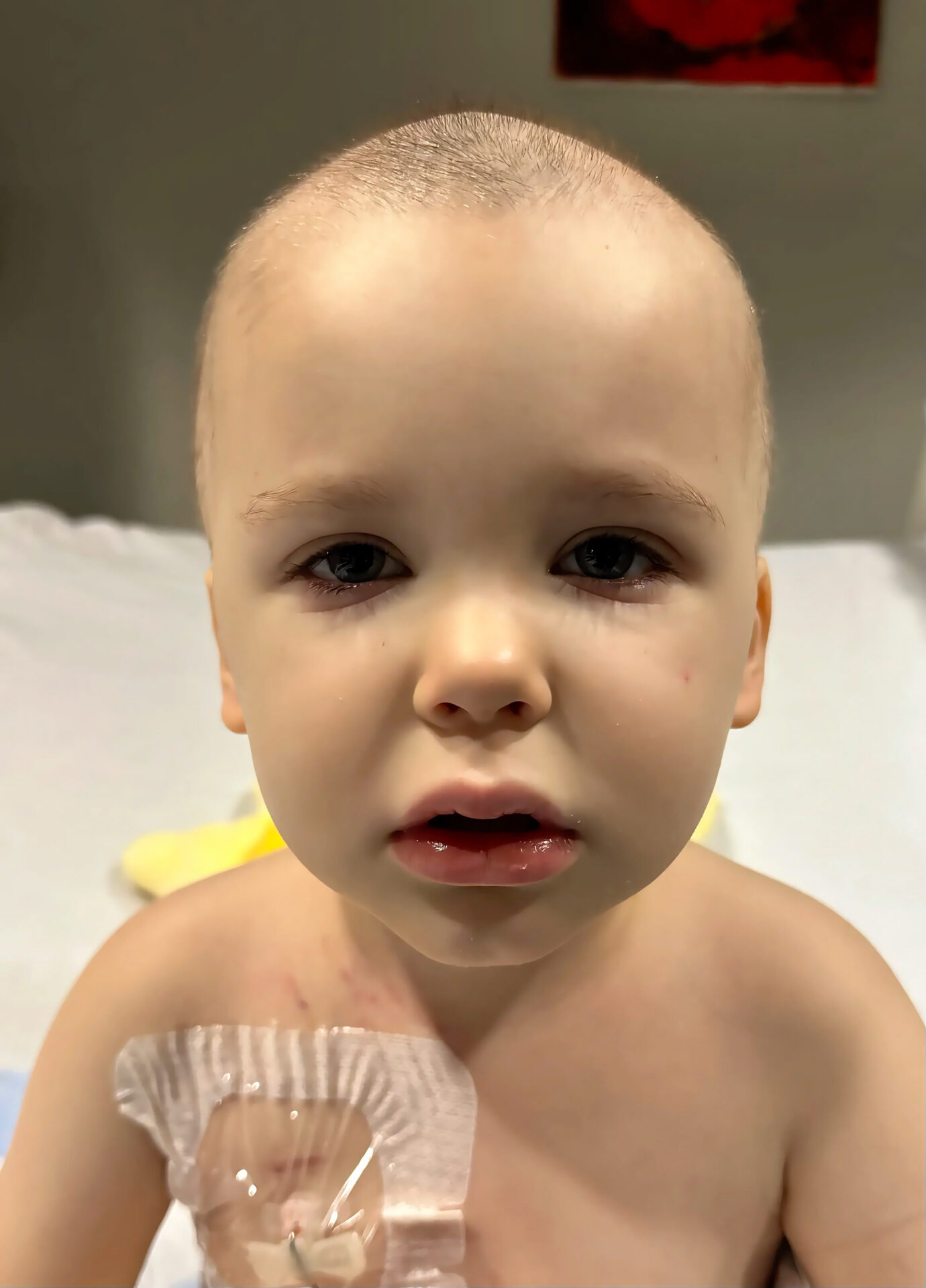
Sunny after a reaction to one of her chemotherapy treatments
The Dire Need for Pediatric Cancer Research
Through Sunny’s journey, Katie has personally seen the critical importance of pediatric cancer research.
“Before Sunny was diagnosed with cancer, cancer research was something that I obviously supported in theory, but it becomes much more personal, and you develop a greater understanding once your child gets that diagnosis and that label. Cancer research is the reason why my daughter has a treatment plan. It’s the reason why her doctors know what medications to give her, what dose, at what interval, what kind of things to monitor and watch out for. Basically, it gives her a chance to grow up and become an adult.”
Many of the medications Sunny and other pediatric cancer patients receive are designed for adults and can have adverse effects on developing bodies. The goal for childhood cancer patients should not only be survival; kids need efficient, gentler treatments to live long, healthy lives after cancer.
“It’s also important to continue funding cancer research, specifically pediatrics,” Katie continued. “Life is so much more than just surviving. Some of these medications that are on the protocols right now come along with some really bad side effects in the long term and short term.
“We have a great prognosis, but it’s just under three years of active treatment, and that’s three years of her childhood that has been tainted by cancer and lots of things lost and taken away because of that. I think it’s important to continue to strive for better, because I don’t think we are quite there yet.”
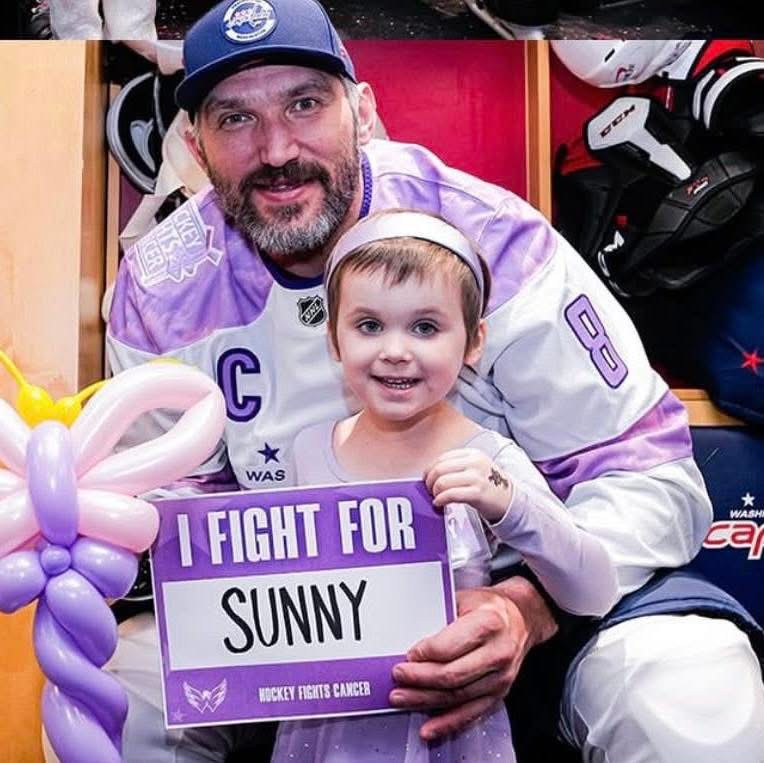
The Capitals, Ovi, and the GR8 Chase for Victory Over Cancer
Sunny was treated at MedStar Georgetown University Hospital, the official hospital partner of the Washington Capitals. Through this relationship and the Capitals’ Hockey Fights Cancer™ initiative, Katie and Sunny were connected to the team.
In October, ahead of the Capitals’ home opener of the 2025-26 season, Sunny was invited to walk the red carpet with her favorite player, Alex Ovechkin. Sunny gifted Ovi a friendship bracelet with her name on it. In November, Sunny skated on the ice with Ovi at the team’s Hockey Fights Cancer skate.
Less than two weeks before Sunny was diagnosed in March 2025, Ovi teamed up with the Capitals, Hockey Fights Cancer and the V Foundation for Cancer Research for the GR8 Chase for Victory Over Cancer. The campaign continues to raise funds for pediatric cancer research as Ovi became the NHL’s all-time leading goalscorer, and he will continue personally donating to the campaign for each goal he scores for the remainder of his career. The donations raised will fund a childhood cancer research grant in the D.C. area through the V Foundation in Ovechkin’s honor.
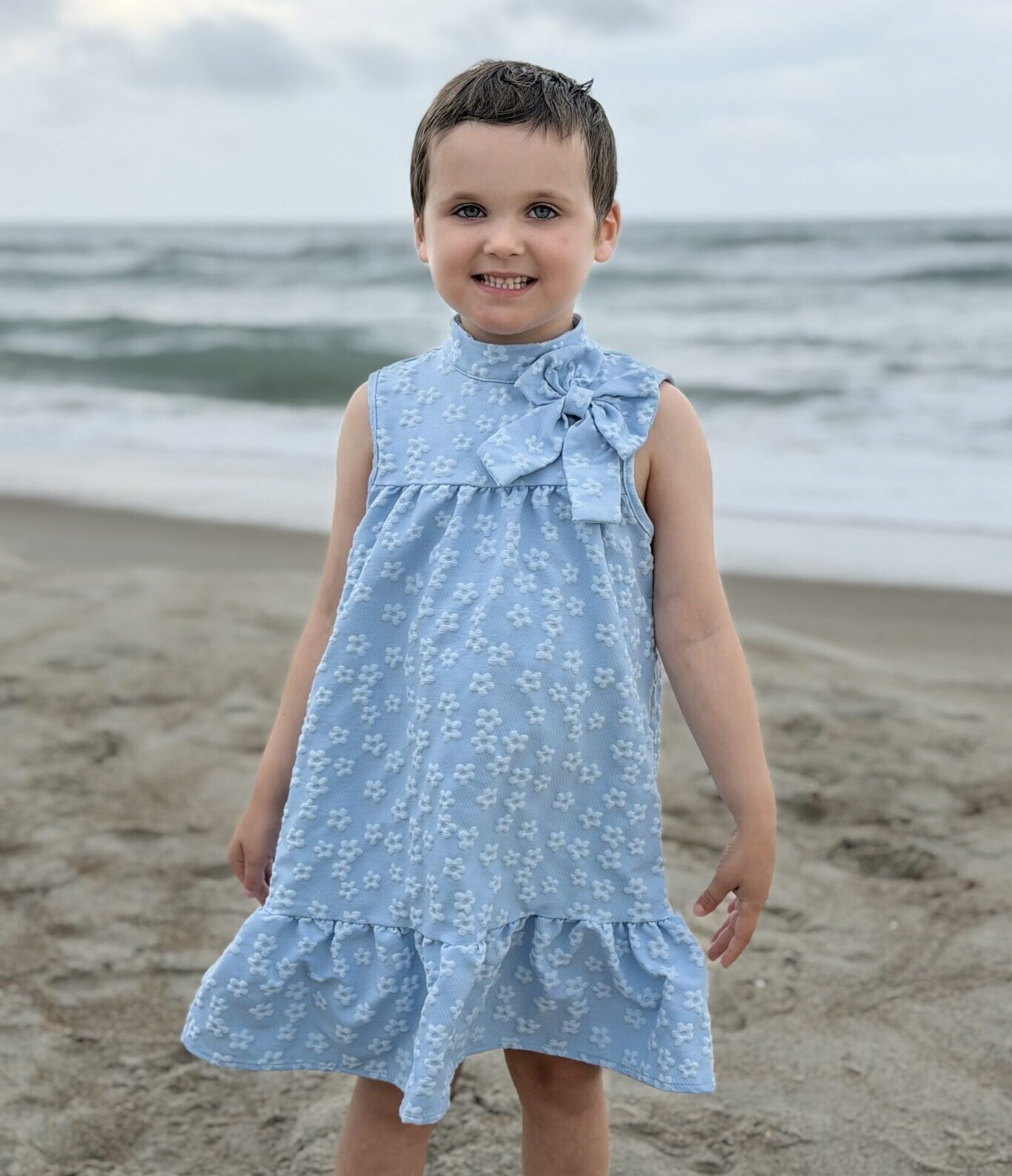
Sunny Keeps Shining
While in remission, Sunny is in the long-term maintenance phase of treatment. While on the surface her hair will grow back and things will begin to look more “normal” from the outside, she still faces a long path ahead.
“Life moves on for everybody else, but we are still very much in the thick of cancer treatment,” Katie said.
She takes daily oral chemotherapy pills, seven pills on Wednesdays, regular sedated spinal taps, blood and platelet transfusions, and multiple hospital trips a month. Her levels are continually monitored and the treatments are adjusted based on how her body is responding. She’ll stay on this plan until at least July 2027.
“We really have tried to maintain a positive outlook on everything thus far,” Katie said. “Instead of asking, ‘Why did this happen to us?’, just saying, ‘What can we learn from it?’ and ‘How can we grow from it?’, So, I think that we’ve done a pretty good job so far. It’s definitely difficult, but that’s our motto and our mindset.”
The V Foundation was built on the dream that cancer can be defeated. Today’s research is tomorrow’s victory.