“I’m a survivor, and you can be one too”
By Noah Elliott
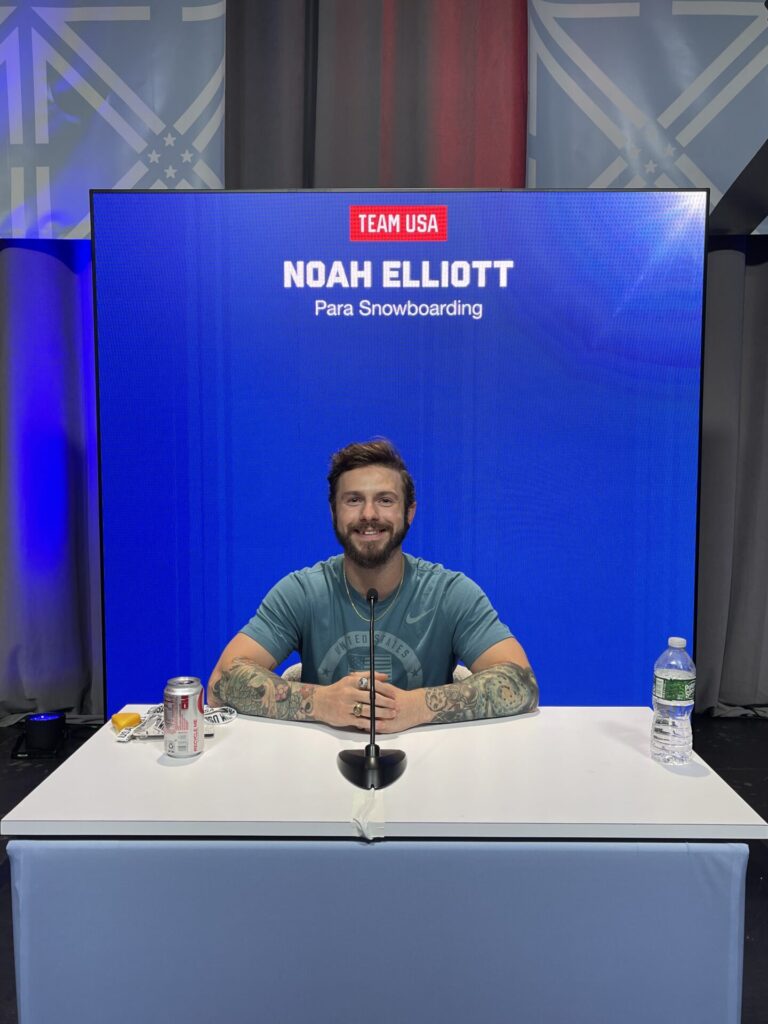
Para-Snowboarder
4x Paralympic Medalist, 3x Paralympian (2018, 2022, 2026)
Pediatric Osteosarcoma Thriver
V Foundation for Cancer Research Ambassador
I grew up as a normal kid in the suburbs of St. Louis, Missouri.
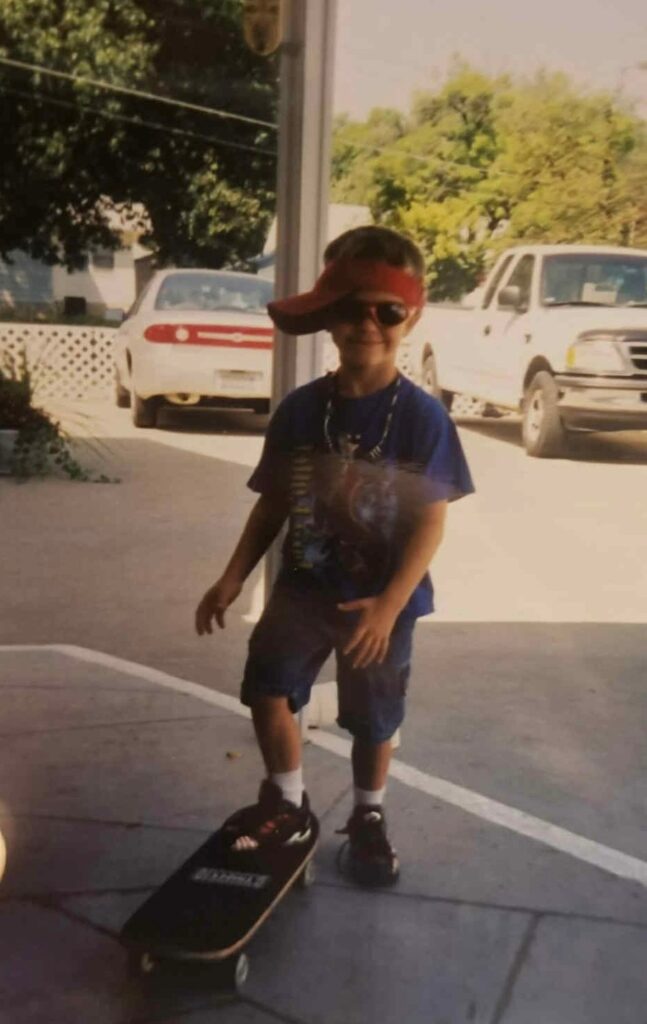
When I was eight years old, I watched my neighbor skateboard down our street, and I remember being in awe of how cool and effortless it looked. By the time I was 11, I would see these tournaments all over the world and I decided I wanted to skateboard professionally. I was working hard at my goal, training every day, and I was well on my way to doing so, but then two big things happened.
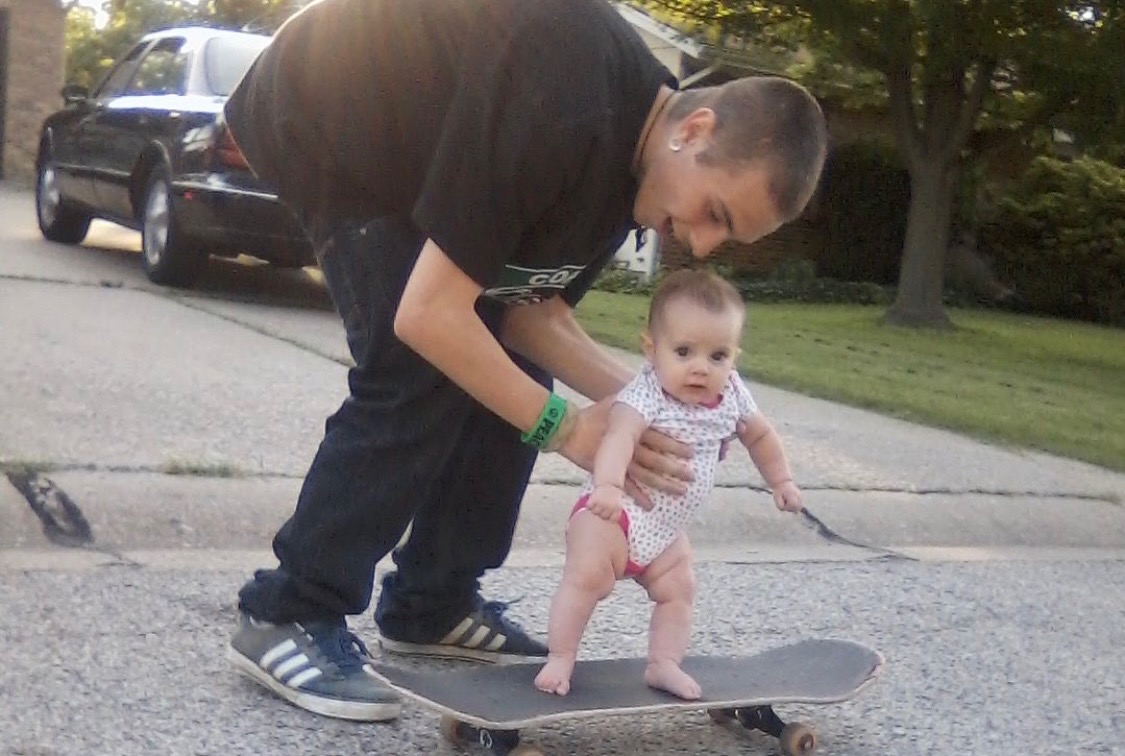
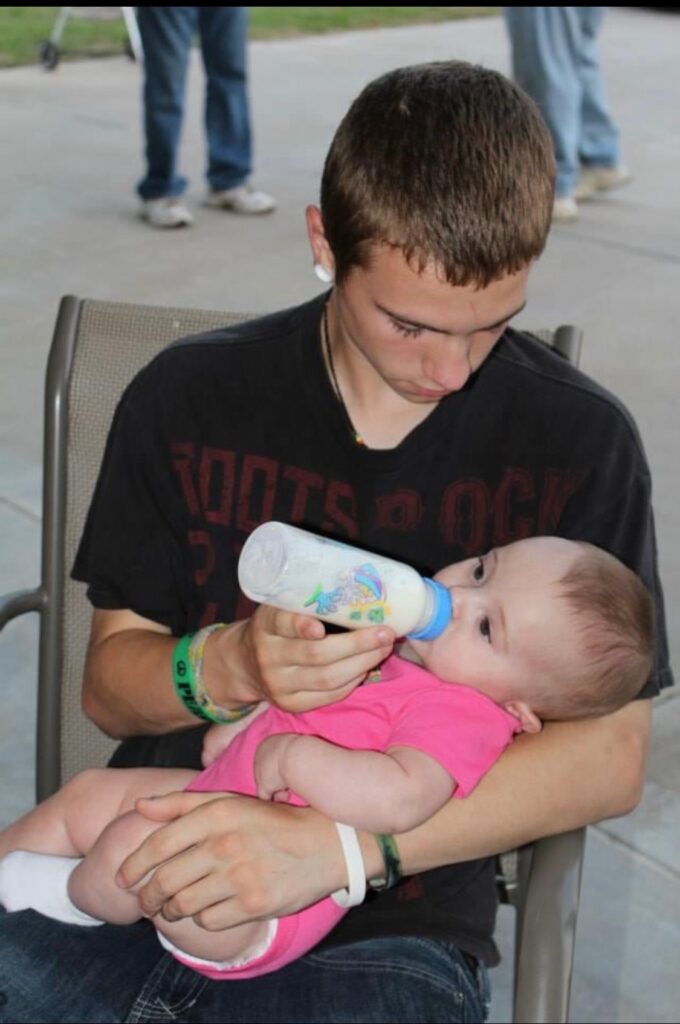
First, I became a father at 15 years old. My daughter was born, and I had to take a step back and think about how to provide for my family. I’m now responsible for taking care of somebody, and I’m so young and I don’t have a life established. I had a lot of family in the military, so I made plans to go into the military when I turned 18.
When my daughter was about six months old, all of a sudden, I started having pain in my left leg. I thought maybe I tore my ACL or hit my knee really hard skateboarding. I went to the doctor, and he sent me to the hospital to get an x-ray done. We went up to the 10th floor, and I remember the elevator doors opening and a big word written across the wall: “ONCOLOGY.”
To me, at that point, I had no experience with cancer, but my mom is already starting to sweat buckets.
We get into the room; they put the x-ray up on the screen and there was the team of doctors and all different specialists.
“Hey, this is not an ACL tear. We think it’s osteosarcoma, bone cancer.”
A Positive Attitude
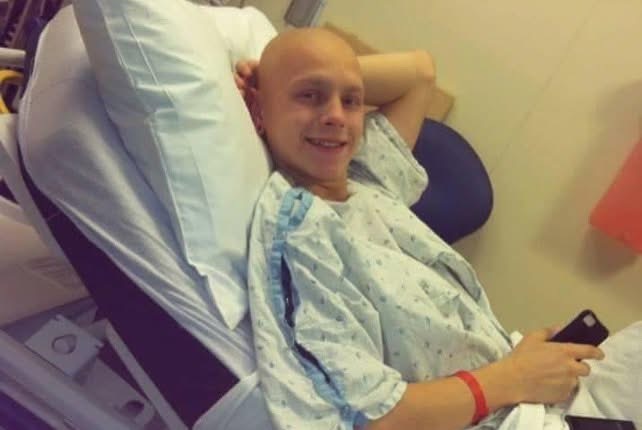
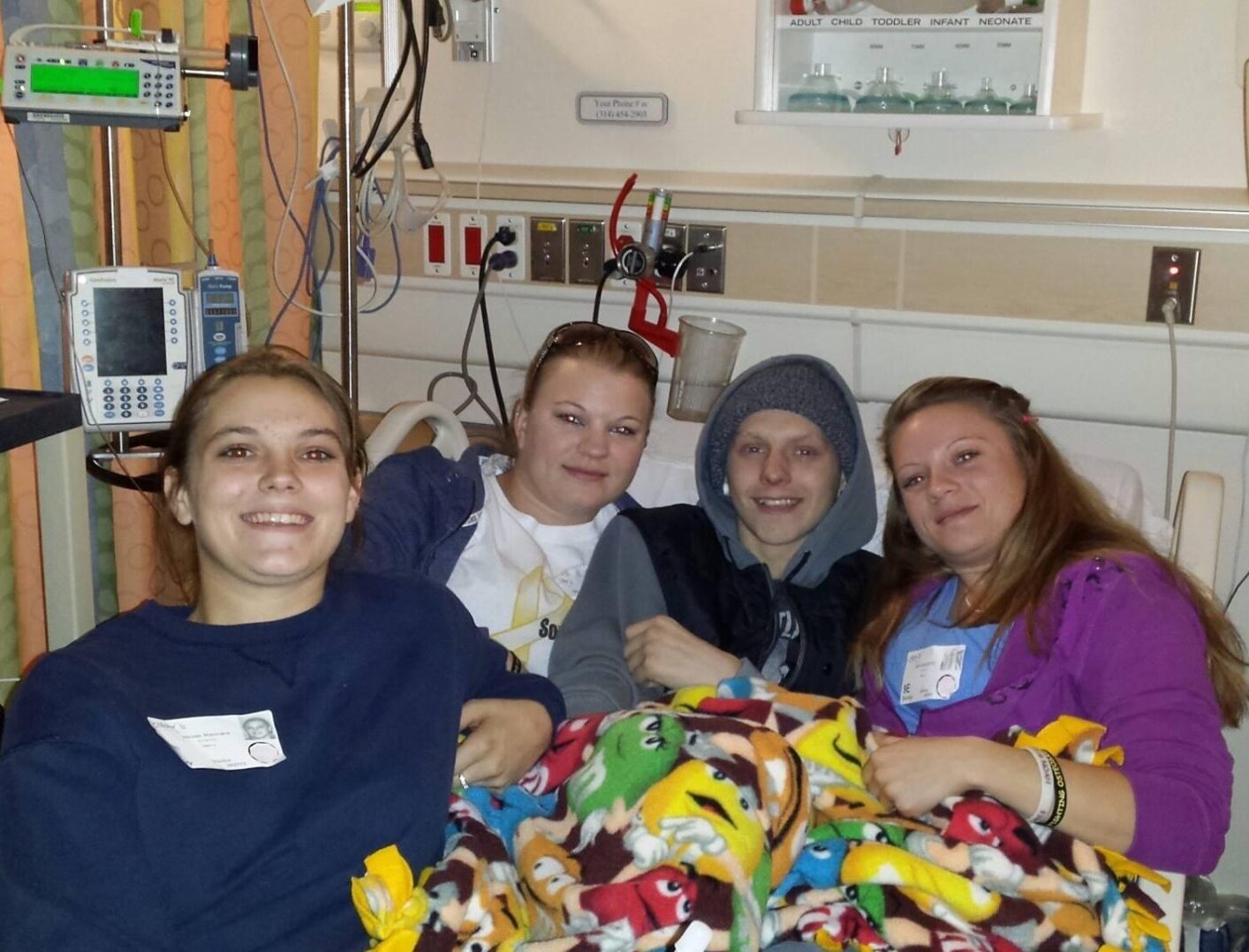
From that day forward, I lived in the children’s hospital for a little over a year doing chemotherapy. The tumor was in my knee and on my tibia. They tried to save my leg, doing a total knee replacement and replacing my entire tibia bone.
I lost a huge part of myself. Noah was no longer an athlete. Now I was the kid going through cancer. My friends disappeared. It was a really eye-opening time.
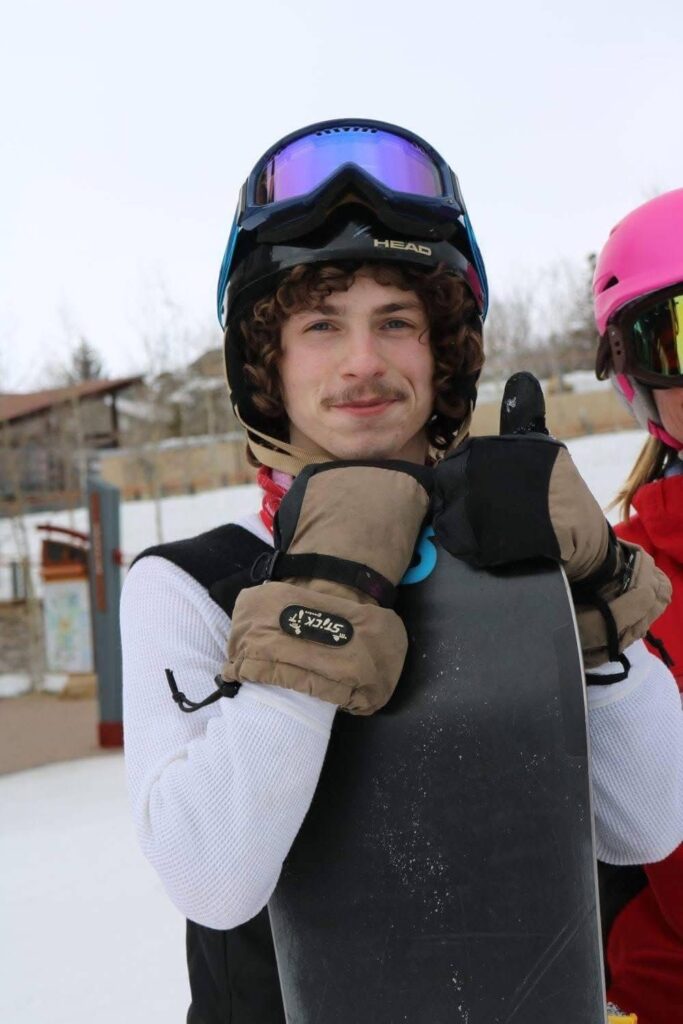
I was 16 years old when I was diagnosed, and I just remember looking around the hospital at the littlest kids, and some had some of the gnarliest and scariest diagnoses. But yet the one thing I noticed is every single one of them still tried to be a kid, and they were so positive.
That really woke me up and kind of killed my initial devastating attitude of, “Oh, poor me.” Everything is out of my control, and the only thing I can control is my attitude.
Believe me, I had my days. I had a lot of hard days. We all do. But I just started to make the effort of saying, “You know what? It could be worse.” Leaving out the fact that it could be better, and counting the little things.
The cancer journey is a little different for everyone, but the coolest thing is how much it teaches you. It makes you discover and re-invent yourself, because it’s an unknown. You don’t know if you’re going to survive, so you become this new plateau of a person. What is life? Who am I? How do I fit into this? What actually matters? Those things really helped me become the person I am today. I’ll never forget that journey.
Discovering a Passion
In 2014, while I was in the hospital, I had a nurse turn on the Paralympics hosted in Sochi, Russia. They introduced Paralympic snowboarding into the Paralympics, and I got to watch it debut from the hospital bed.
I thought it was the coolest thing to see amputees and people with disabilities snowboarding down this insane course, just throwing up the middle fingers being like, “We can do this,” and showcasing what was possible.
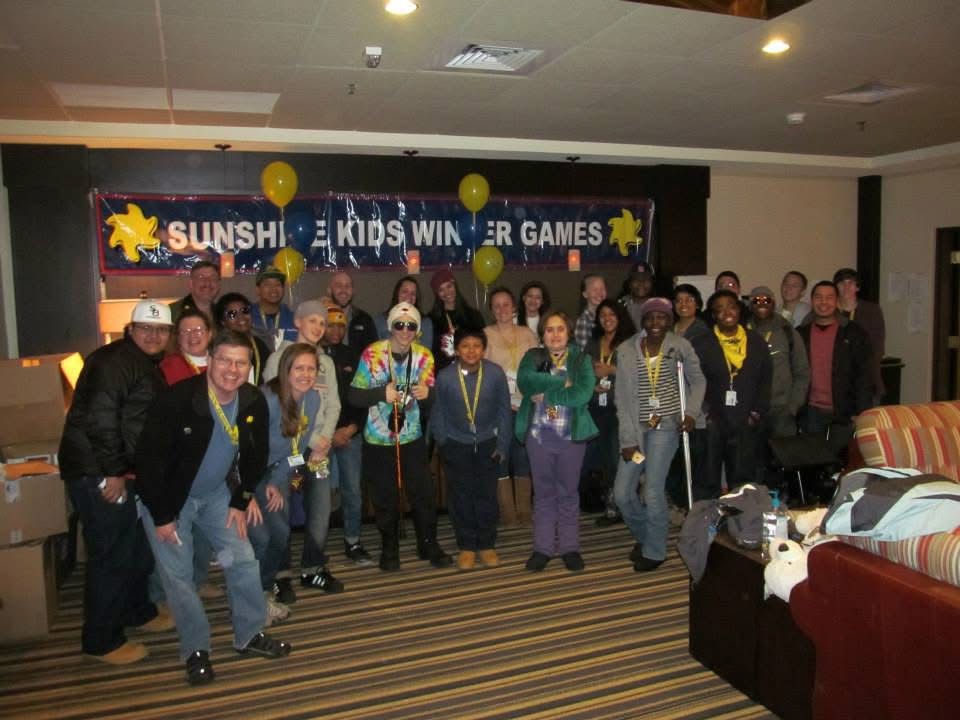
A few months later, I learned about a foundation called the Sunshine Kids Foundation that takes kids from the hospital I was at in St. Louis for a trip to Colorado. I was lucky enough to be accepted. They postponed my chemotherapy and I got to be a kid and got a breather for a little bit.
It was an amazing, immersive experience. I got there and couldn’t stop smiling. I had never seen the mountains before. When we got home, I was determined to chase this idea of trying to figure out how to snowboard one day.
At the camp, they partnered with an adaptive recreational center to help get kids on the mountain to ski and snowboard, but I couldn’t with my injured leg. I just wanted to stand up and ride on a board again. I just remember being bummed out about my leg when I got home.
I had met another cancer survivor at that camp, so I knew what life could be like surviving osteosarcoma with a limb amputation.
When I got home, I found out I had a severe staph infection in my leg the entire time, which is part of the reason I had even more limited motion than I should have. They gave me two options.
“Surgery is scheduled. We can save your leg again, but you’re probably going to have less range than you already have. Or we can amputate.”
For me, it was a no-brainer. It was amputate the leg. I want to pursue sports again.
Chasing a Dream
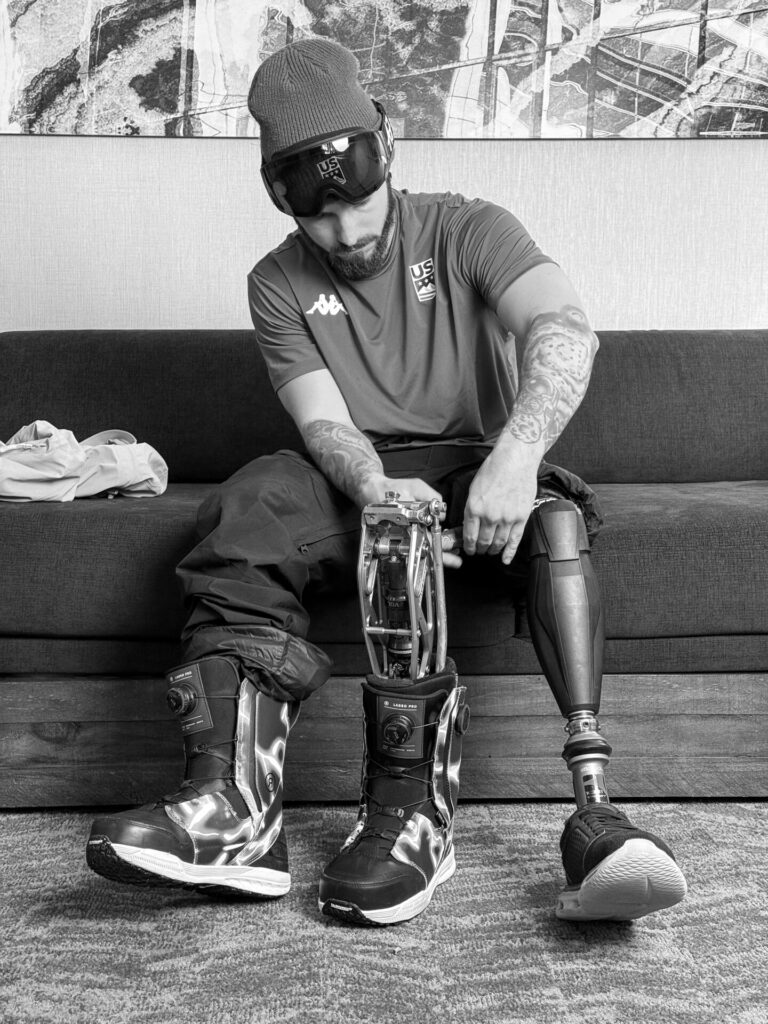
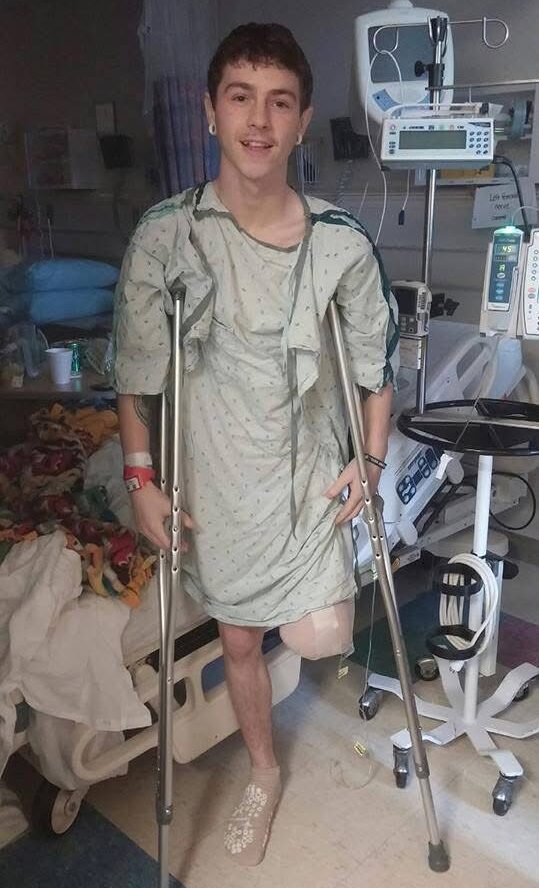
On January 30, 2015, at age 17, my left leg was amputated above the knee. Waking up from that surgery, you’d think it’d be devastating, and it was weird for sure, but in a way it was freeing. It was like the future of this new life of who Noah 2.0 was gonna be.
I’m very lucky that everything and everyone who went through the journey before me has brought the technology and advancements to the point where we knew that was a good decision. That is the incredible part of the day and age we’re in the world right now, we’re seeing the future of adaptive sports and everything being built.
Immediately, I tried to start saving money so I could move to the mountains to pursue the dream of becoming a Paralympic snowboarder. I worked as a dishwasher at an Italian restaurant, did jobs around town, spoke at some events, anything I could do.
I learned about the National Ability Center in Utah and convinced my best friend who lived on the same street to move with me. We saved enough, packed up my old truck, and drove to Utah. I got a job at a snowboard shop to learn the equipment and get a free lift pass to start learning to ride.
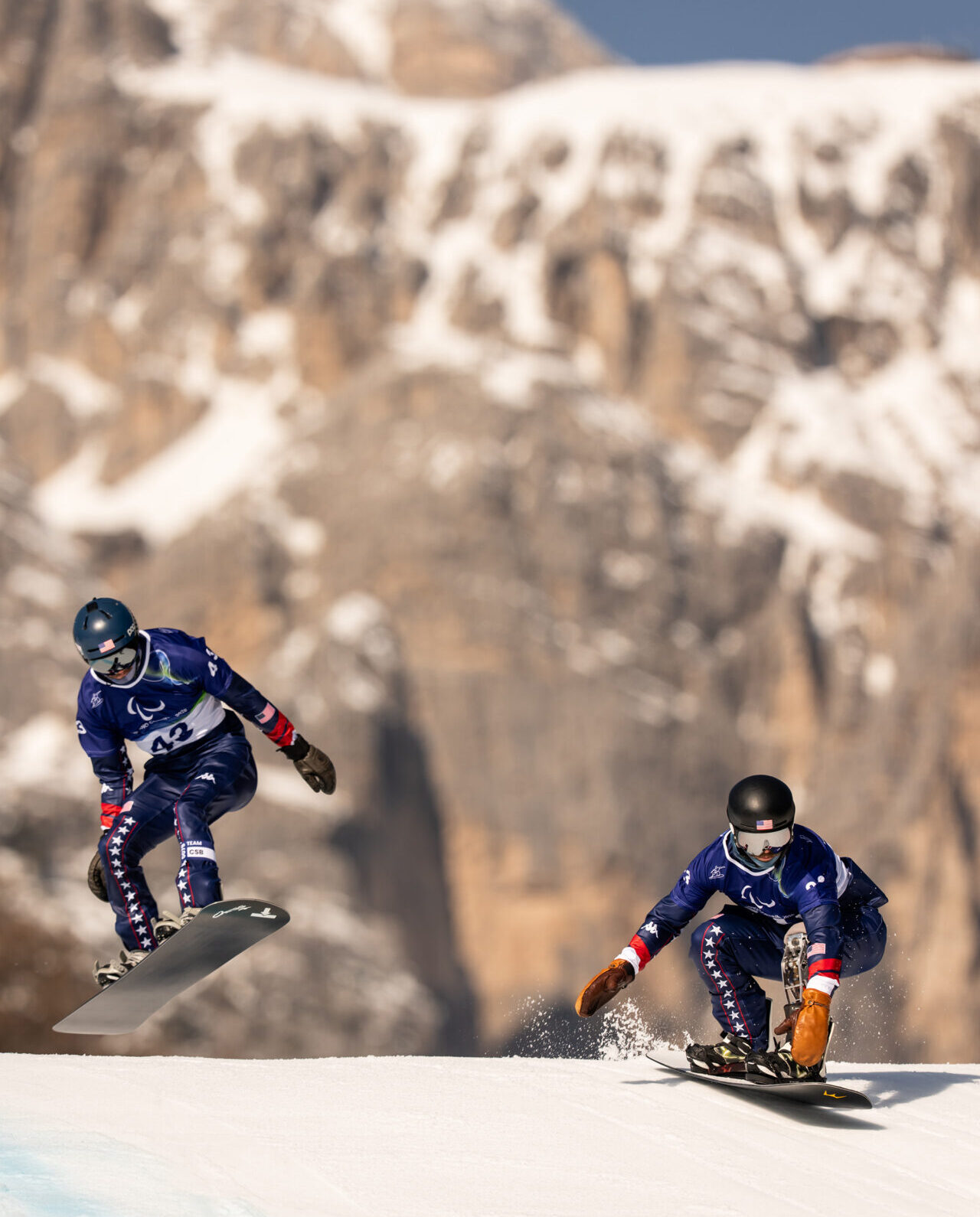
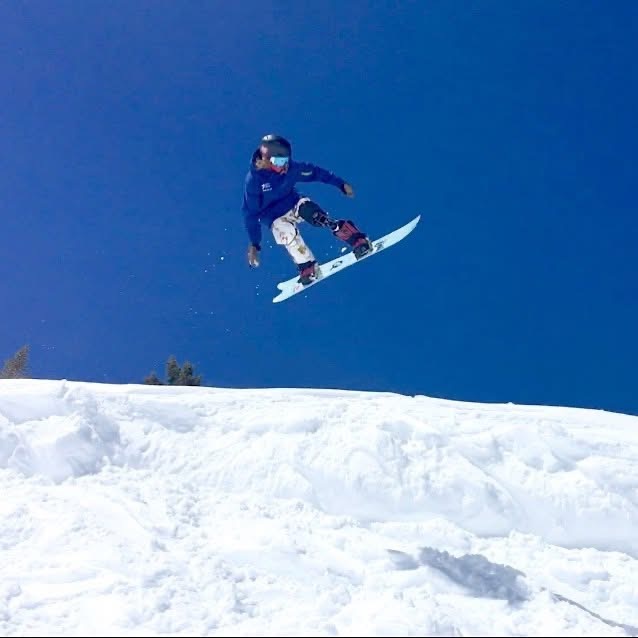
While training with the National Ability Center, I met the head coach of the US Paralympic Snowboard team. He told me to get a passport, and I went to my first World Cup in New Zealand later that year. That was the greatest experience because I went there just excited to learn as much as I possibly could. I ended up competing and actually won at my first World Cup!
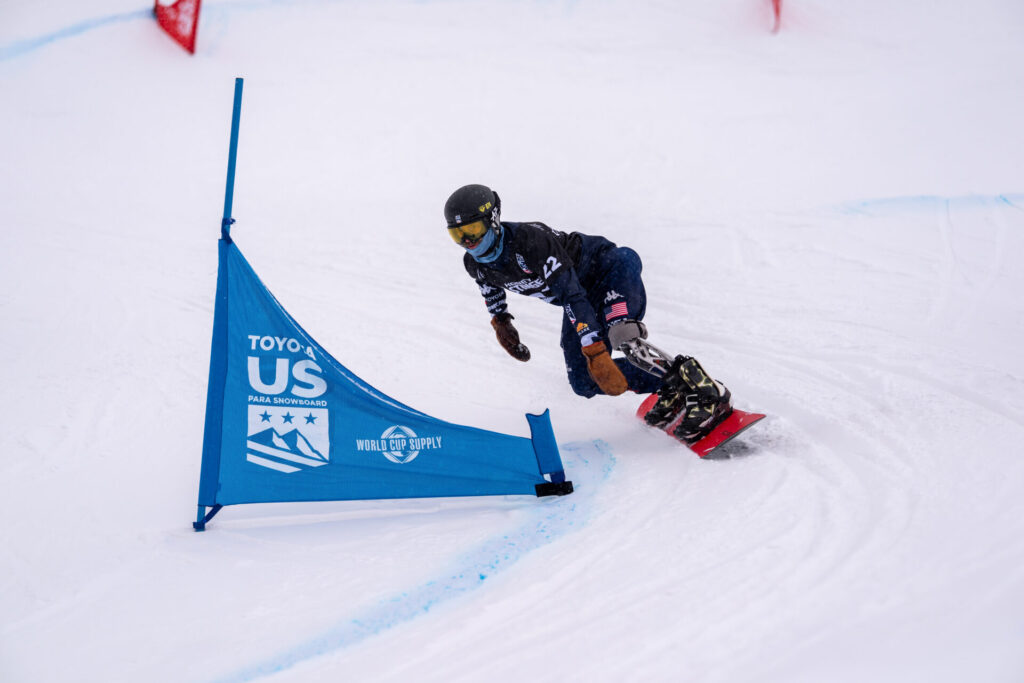
A few months later, I qualified and made my first Paralympic team. I won gold and bronze medals at the Pyeongchang Paralympic Games in 2018, another incredible experience.
I continued to train and compete with Team USA, but going into the 2022 Paralympic Games in Beijing, I was injured with a compound fracture in my amputated leg, very gruesome. I still competed in the 2022 games but didn’t have my best.
I had surgery when I got back where they cut off another two inches of my leg. That was scary because I didn’t know how that would affect my walking or my snowboarding.
I became more determined than ever. I decided this next four years would be my redemption games. 2026, Italy, Milano Cortina, I’m going for everything, and I’m going for gold.
The next four years consisted of, first, going through the amputation process all over again, getting a new prosthetic and learning how to walk. Then, on top of that, getting stronger in the gym, getting better at snowboarding. That led me to ultimately win my first Crystal Globes, which is huge in our sport.
In Milan, I won gold in the Banked Slalom and silver in the Snowboard Cross and have since won my third consecutive Overall Crystal Globe, including 4 disciplinary Crystal globe’s. I’m proud to say I’m currently ranked the No. 1 para-snowboarder in the world.
Making a Difference
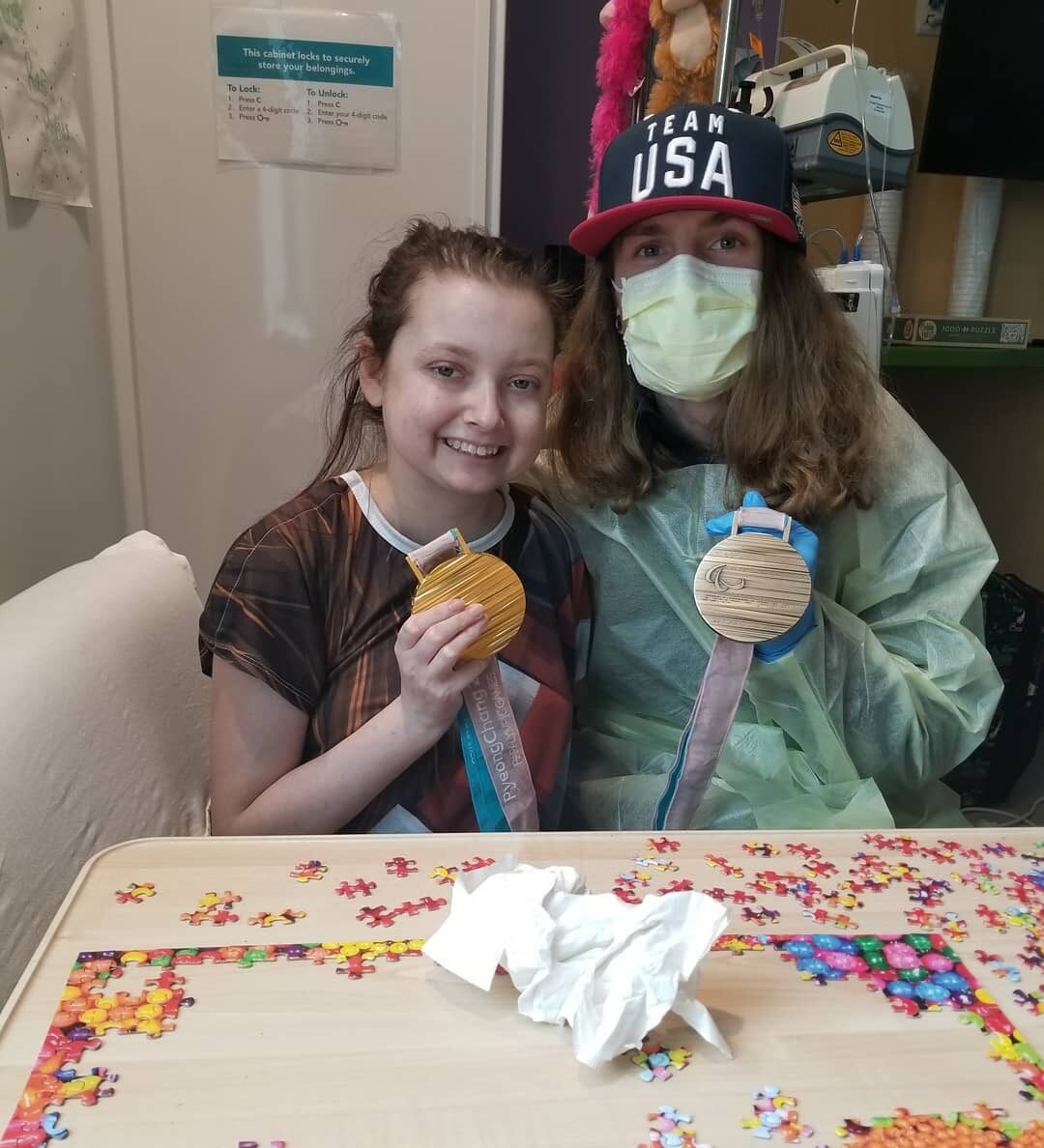
After my first Olympics, I realized I have a stage to stand on. I always knew I had a big, powerful voice, but I had the medals now. I have a career. My daughter was with me full-time, and I wanted to make a difference.
I went back to the children’s hospital that treated me. I’ve done a lot of speaking engagements – schools, hospitals, etc. It is truly about helping others see that there is a life past cancer, and there is hope.
I lost my leg to cancer. It kind of comes full circle. I’m very lucky we found it as early as we did and because of the research of the chemotherapy that has been invested in, I was able to survive this diagnosis, which historically, doesn’t always have the highest survival rate. For me, it was a blessing and an inspiring moment when I found out that the chemotherapy was working, the tumor is getting killed.
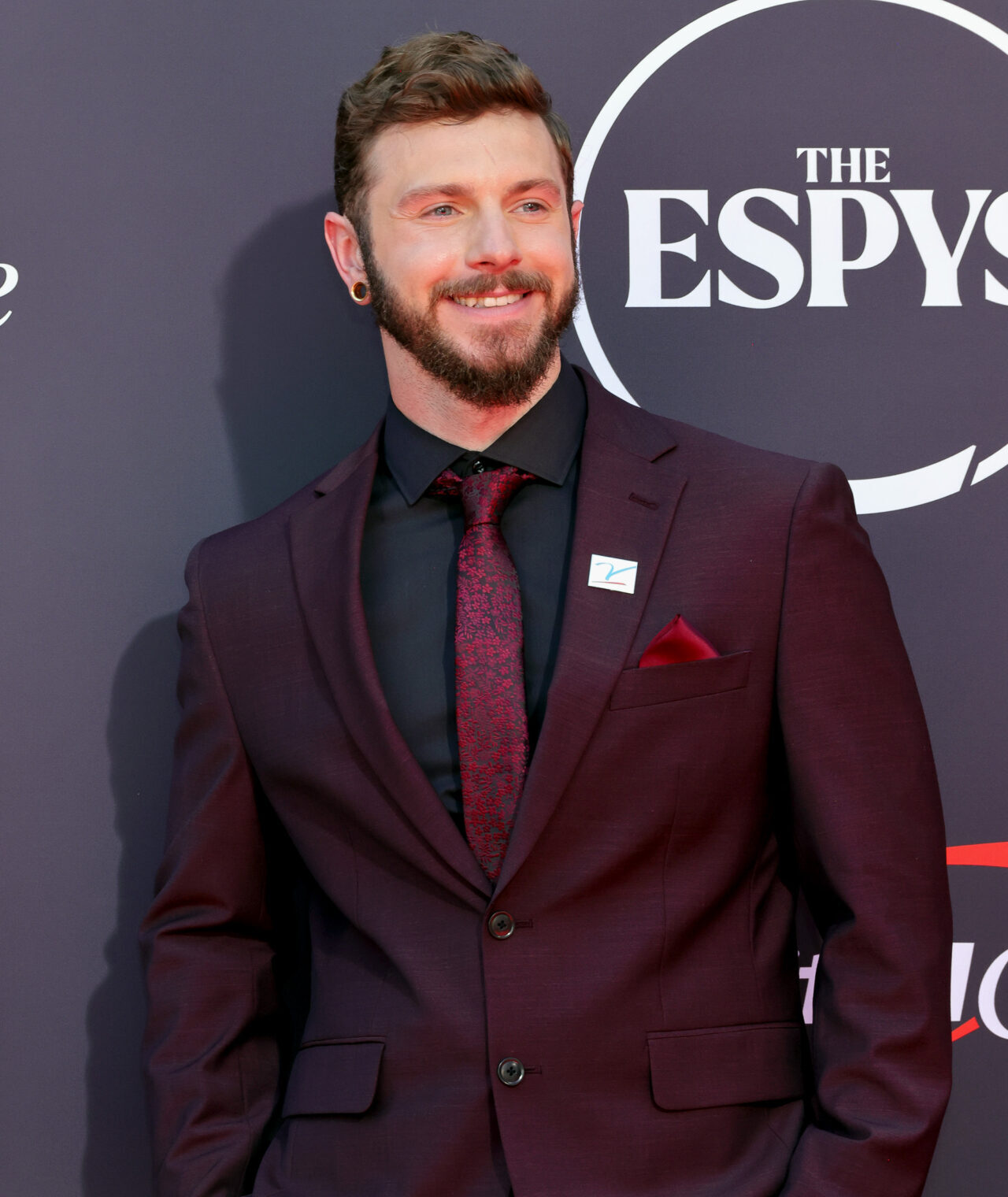
When I went to the ESPYS in 2025, my career had really blast off. Being nominated for an ESPY Award was an honor, and I was proud to represent not only the disabled community but also cancer survivors. I learned about the V Foundation and connected with the mission during that special event.
Now that I’m more familiar with a lot of the work the V Foundation does, some of the research from years and years ago has helped develop the reading of the X-rays to where they can diagnose osteosarcoma earlier. I’m excited to connect with the V Foundation because it’s a part of my story, and these types of research advancements helped save my life and discover this diagnosis very early.
At the ESPYS, there was a room for honorees. The V Foundation had a spot where you could write a Post-it Note and stick it on their mirror. In the reflection, I wrote down the first thing that came to me and stuck it on the mirror.
“I’m a survivor, and you can be one too.”