
A Birthday That Changed Everything
By Zack Schroeder, MD
Most people look forward to their 21st birthday with excitement and anticipation. I was no different. But on June 4, 2019, instead of celebrating a milestone, I received a phone call that would change the course of my life.
I had cancer.
At the time, I was spending my summer working at a Banana Republic store in Gulf Shores, Alabama, before returning to the University of Kansas for my junior year. I was on my lunch break when my dermatologist called with the results of a skin biopsy performed the week before. The diagnosis was melanoma. I was told I would be referred to MD Anderson Cancer Center in Houston, Texas.
And just like that, the phone call ended.
I was shocked. I didn’t know what to say, what to think, or even what questions I should have asked. I was 21 years old, hundreds of miles from home, and had just learned that I had cancer.
That night, I went to bed hoping somehow that what had happened wasn’t real. When I woke up the next morning, for a brief moment, I thought it had all been a dream. Then I looked at my phone and realized it wasn’t. The phone calls, the messages, the diagnosis—everything was real.
My life had changed overnight.
I called my parents and family and flew home to Independence, Kansas, the following day. Until that moment, I had lived like many college students, with an unspoken assumption that I was invincible. Cancer was something that happened to other people. It certainly wasn’t something I expected to confront on my 21st birthday.
Over the following weeks, I learned that my melanoma had spread to nearby lymph nodes. I had stage III melanoma.
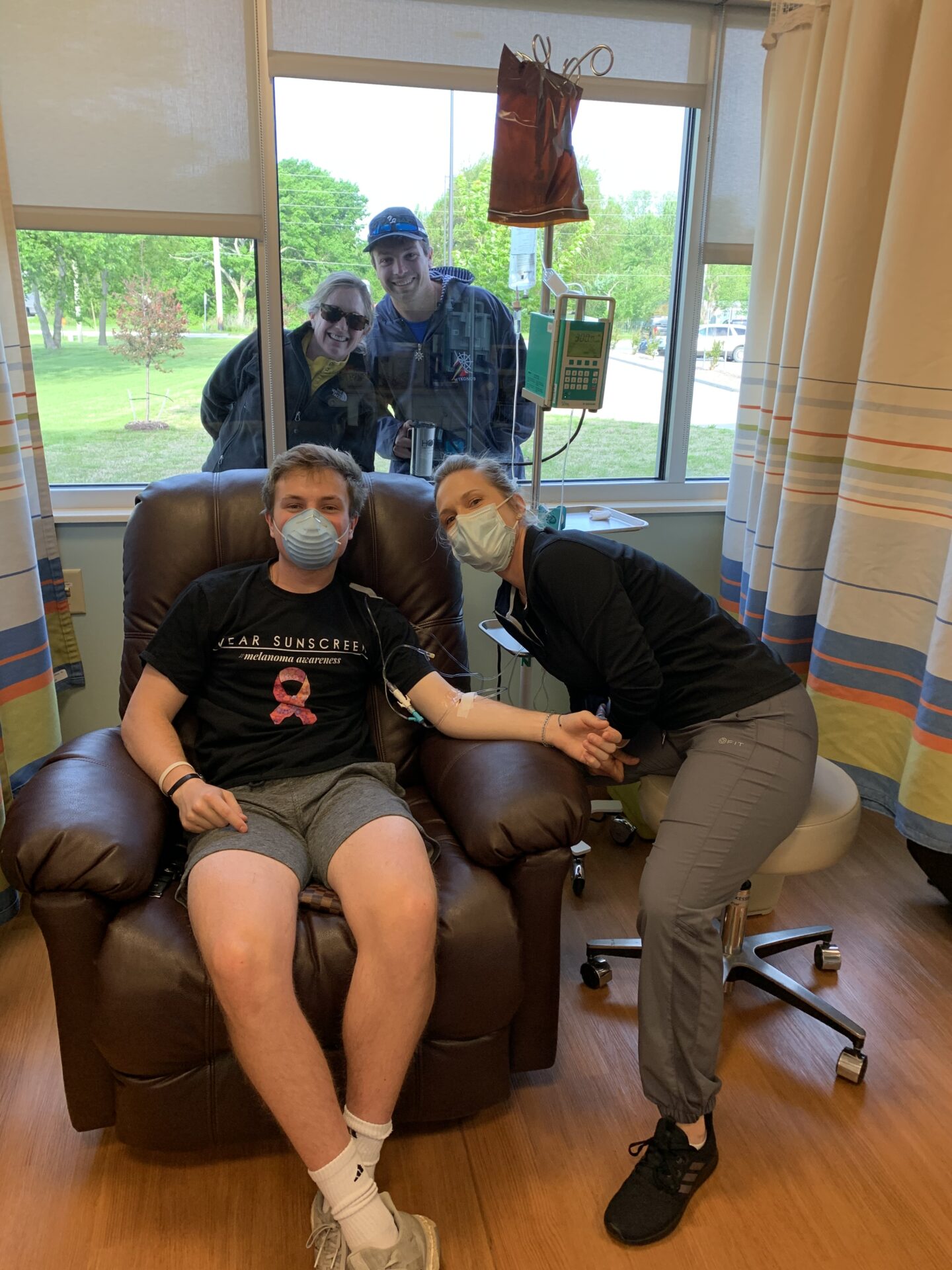
My treatment would include an extensive neck dissection, during which approximately 50 lymph nodes were removed, followed by radiation and 12 rounds of immunotherapy. The physical and emotional toll of treatment was significant. But the hardest part of my diagnosis came when I began to understand what it could mean for my future.
I learned that, based on the survival statistics I was given, I had approximately a 70 percent chance of living another five years.
At 21 years old, I was forced to confront the possibility that I might not live to see my 26th birthday.
I remember trying to comprehend what that number meant. Most people my age were thinking about graduating college, starting careers, and planning their futures. I was wondering whether I would have the opportunity to experience any of those things.
Five years suddenly seemed like an eternity and, at the same time, not nearly enough.
I had always looked forward to the milestones that come with growing older. Now, reaching those milestones was no longer something I could take for granted.
Alongside the uncertainty of my diagnosis came the challenges of receiving treatment. I had loved growing up in a small town in southeast Kansas, but I quickly learned that accessing specialized cancer care from a rural community could be difficult.
My family and I faced an overwhelming series of questions. Where should we go? Who could treat me? How quickly could I be seen? How would we manage the travel, lodging, expenses, and time away from work and school?
Ultimately, we traveled repeatedly to Houston for my care. I remember leaving MD Anderson after appointments, driving through the night, and returning to Kansas with barely enough time to make it to a 9 a.m. college exam. I was determined to continue my education, even as my life revolved around surgeries, radiation, immunotherapy, and the uncertainty of what came next.
Those trips were exhausting, not only physically but emotionally. Cancer had become part of nearly every aspect of my life. It affected my education, my relationships, my family, and how I thought about the future.
Yet through those experiences, I began to recognize something that would ultimately shape the direction of my life.
I was fortunate to have a family who could help me travel, access to a nationally recognized cancer center, and the opportunity to receive treatment that offered me hope. But I often wondered about the people who didn’t have those same opportunities.
What happens to someone who cannot afford to take time away from work? What happens to a patient who doesn’t have reliable transportation or someone to accompany them to appointments? What happens when the distance to cancer care becomes a barrier to receiving it at all?
I began to realize that my experience was not unique. Across the country, patients and families face challenges that extend far beyond the diagnosis itself.
And I knew I wanted to do something about it.
Before cancer, I had already decided that I wanted to become a physician. I loved science, medicine, and the opportunity to help people. But I had never fully understood why I wanted to pursue that career.
Cancer gave me my why.
It changed how I viewed my future, my relationships, and the time I had been given. It taught me to appreciate ordinary moments, to love more intentionally, and to recognize that life is never guaranteed.
More importantly, it gave me a purpose that extended beyond my own experience.
I wanted to become the kind of physician who could help another patient and family navigate the uncertainty I had experienced. I wanted to care for people who were facing the same fears I had faced. And I wanted to help ensure that where someone lives does not determine their opportunity to survive cancer.
After months of treatment, surgeries, appointments, and uncertainty, I finally reached the moment I had been hoping for. My treatment had worked.
But that moment came during the COVID-19 pandemic.
There was no large celebration with friends, no gathering of everyone who had supported me, and no opportunity to mark the occasion in the way I might have imagined.
In many ways, the end of my cancer journey felt just as isolating as the beginning.
I had received my diagnosis while hundreds of miles away from home, feeling as though my world had suddenly changed while everyone else’s continued as normal. Now, after everything I had been through, I was emerging from treatment into a world that had come to a standstill.
It was a strange feeling. I had spent so much time hoping to reach that moment, yet when it finally arrived, there was no grand celebration. There was simply the quiet realization that I had been given the opportunity to keep living.
And that was enough.
As I continued my education, I carried that experience with me. On the difficult days in medical school, when I was exhausted or questioning whether I could keep going, I reminded myself why I had chosen this path.
I remembered what it felt like to be the patient waiting for answers. I remembered the uncertainty my family and I had experienced. And I remembered that there would be another young person, somewhere, who would one day receive the same kind of phone call I had received.
I wanted to be there for that person.
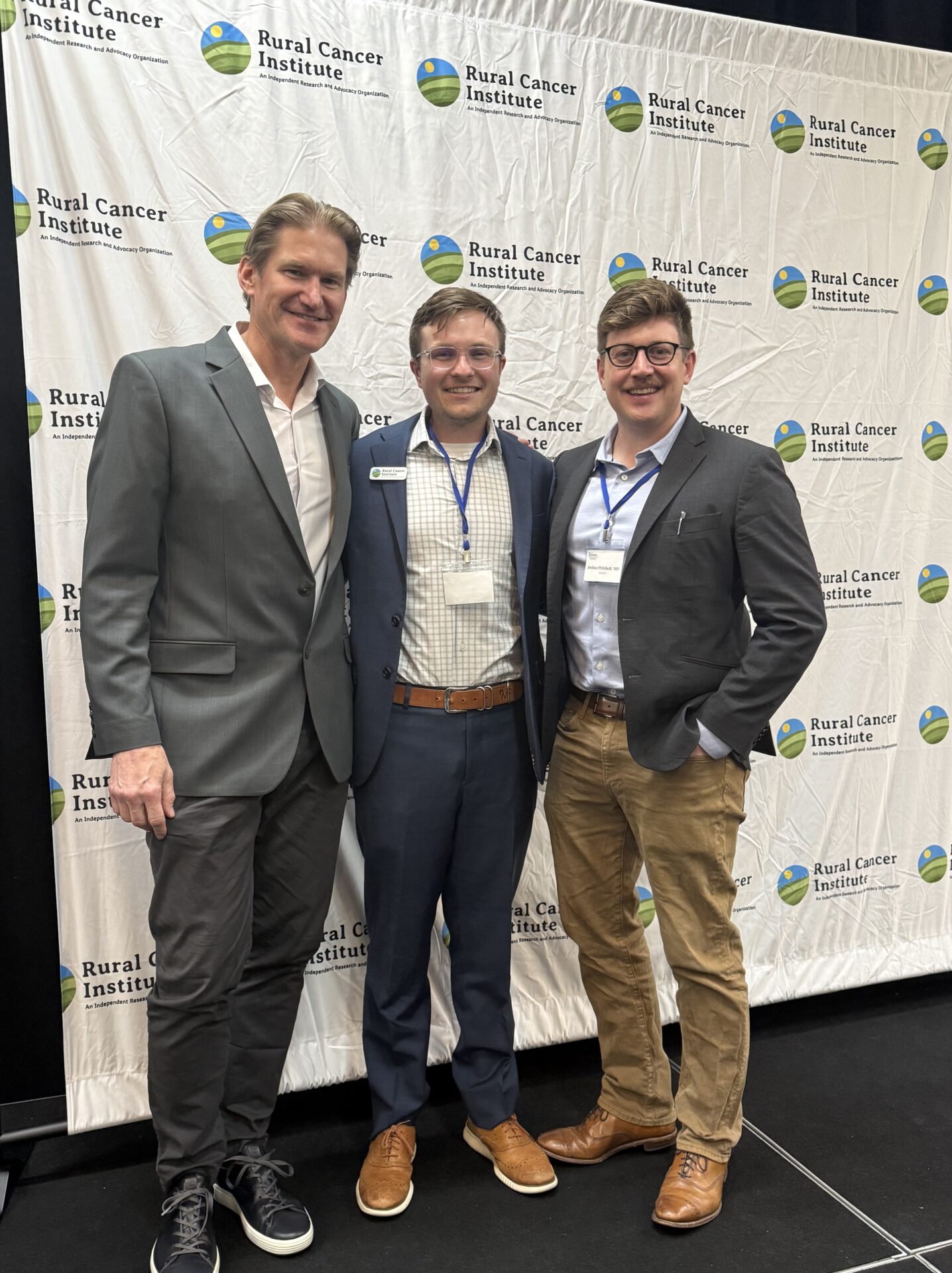
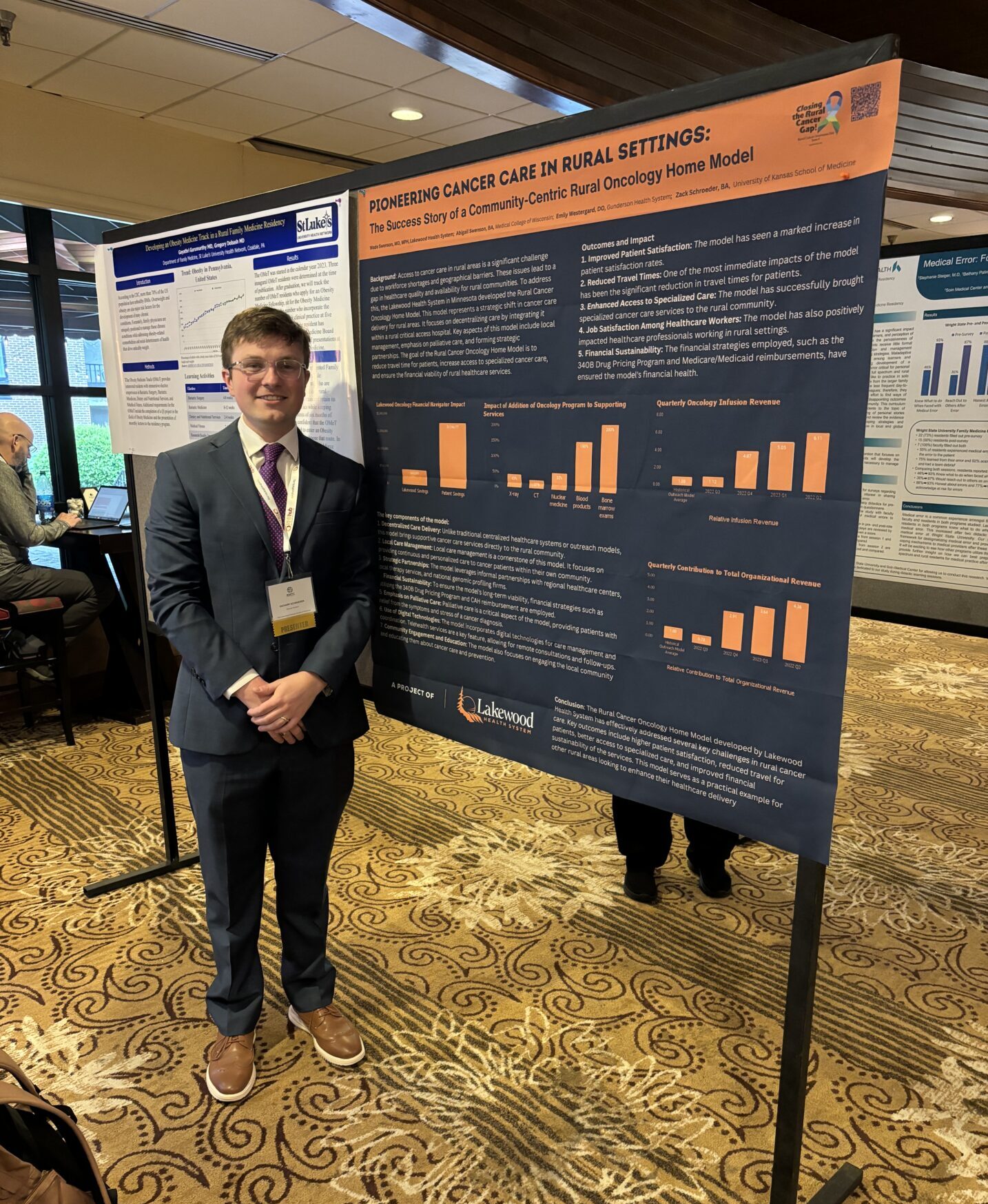
My experience eventually led me to help establish the Rural Cancer Institute, a nonprofit organization dedicated to supporting rural cancer patients and the communities that serve them. What began as a personal commitment has grown into an opportunity to work alongside patients, physicians, researchers, and advocates from across the country who share a commitment to improving cancer care.
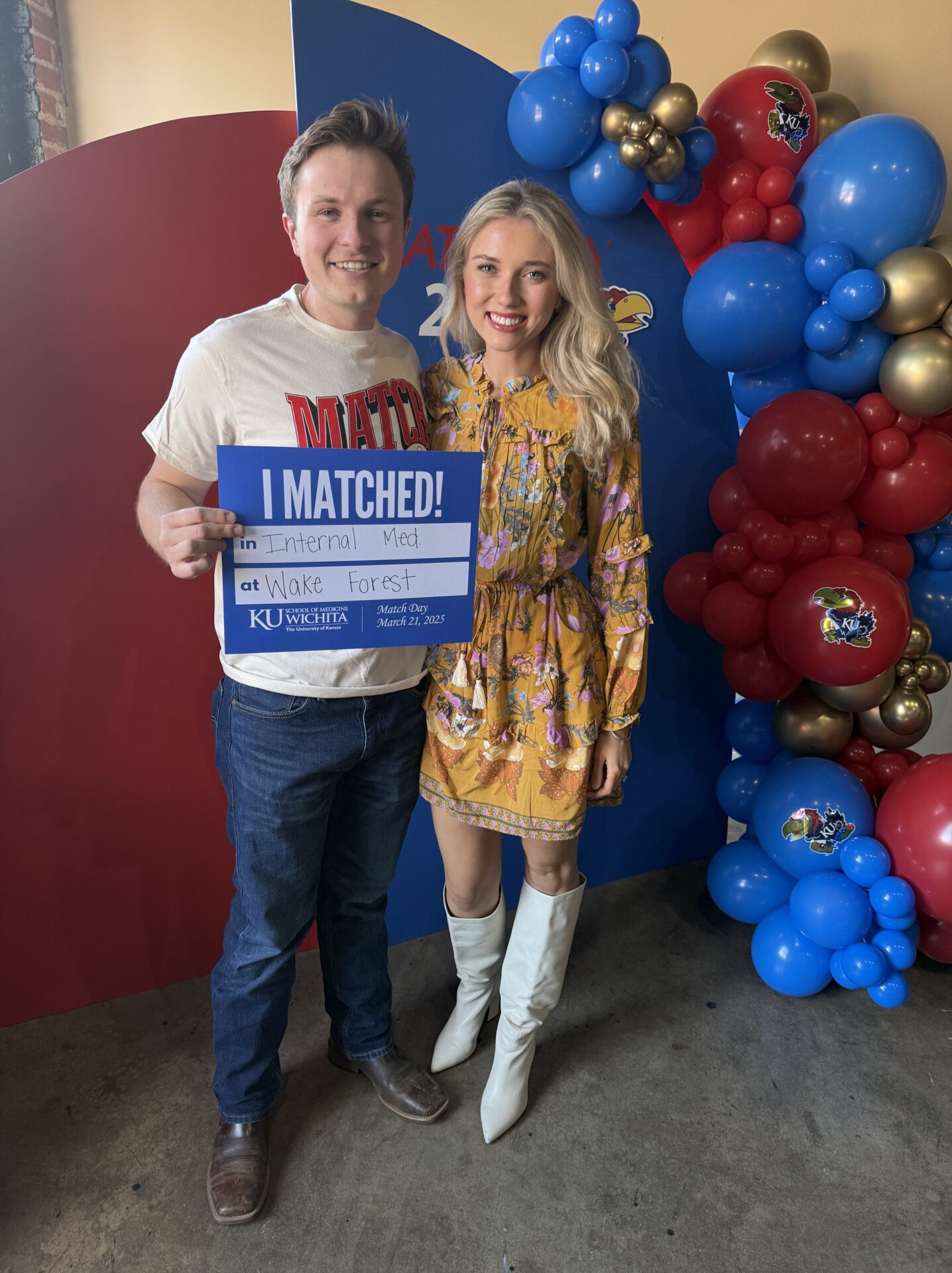
Today, I am an internal medicine resident physician at Wake Forest University School of Medicine, pursuing a career in oncology.
Every day, I have the privilege of caring for patients and seeing medicine from the other side of the examination room.
Medical training has taught me how to diagnose disease, understand treatment, and interpret research. But being a cancer patient taught me what it feels like to wait for a phone call, to fear what the next scan might show, and to wonder whether the future you imagined will still be possible.
Those experiences are not something I can learn from a textbook, and they are something I will carry with me throughout my career.
I hope to spend my life caring for the next generation of patients who find themselves in the same position I was in at 21 years old.
I also recognize that my own future was made possible by generations of cancer research. Advances in immunotherapy have transformed the treatment of melanoma and offered hope to patients who, not long ago, faced far fewer options.
I am one of the people who has benefited from that progress.
Research gave me more than a treatment option. It gave me the opportunity to finish college, graduate from medical school, become a physician, marry my wife, and pursue a future that once felt uncertain.
That is why the work of the V Foundation for Cancer Research is so important. Behind every research discovery is a person hoping for another birthday, another holiday with family, or simply another ordinary day.
On June 4, 2019, my 21st birthday, I received news that made me question whether I would live to see my 26th.
Five years later, I celebrated that birthday.
And today, I am living a life that, for a period of time, I wasn’t sure I would have the opportunity to experience.
I would never wish cancer on anyone, and I would never pretend that the experience was something I needed to endure to find purpose. But I am determined to use what happened to me to make a difference for those who come after me.
My hope is that the next 21-year-old who receives a cancer diagnosis will have even better treatment options, greater access to care, and more reasons to believe in the future.
Because cancer research doesn’t just change survival statistics.