Skip to content
The V Foundation logo
Donate
  • About Us
  • Stories
  • Research
  • Events & Fundraisers
  • How to Help
  • Donate
  • Home
  • About Us
    • About Us
    • Our Story
    • Leadership & Collaboration
    • Financial Responsibility
    • Partners
    • Diversity, Equity & Inclusion
    • Careers
  • Stories
    • All
    • Inspiration
    • News
    • Team Science
    • V Ambassadors
    • Video & Podcasts
  • Research
    • Research Overview
    • Award Programs
    • Funded Grants
    • Grant Selection Process
    • Special Funds
  • Events & Fundraisers
    • Events & Fundraisers
    • Events Calendar
    • Signature Events
    • Run For Team V
    • Fundraise for the V
    • Fundraising Friends
  • How to Help
    • How to Help
    • Ways to Give
    • Honors and Memorials
    • Shop the V

The Latest

A Family Affair: Supporting Cancer Research

Read more

The V Foundation for Cancer Research Announces New Cohort of Translational Grant Recipients

Read more

The 21st Annual Dick Vitale Gala Announces Over $120 Million Raised For The V Foundation’s Dick Vitale Pediatric Cancer Research Fund

Read more

Alison Diminuco: Two Weddings, Honoring Her Mom, and Living Fearlessly

Read more
View All

About the Foundation

  • About Us
  • Our Story
  • Leadership & Collaboration
  • Partners
  • Financial Responsibility
  • Diversity, Equity and Inclusion
  • Careers
  • Cookie Policy

How to Help

  • How to Help
  • Ways to Give
  • Honors and Memorials

Research

  • Research Overview
  • Award Programs
  • Grant Selection Process
  • Funded Grants
  • Special Funds
  • Researcher Resources

Stories

  • All
  • Inspiration
  • Team Science
  • V Ambassadors
  • Video & Podcasts
  • News

Events & Fundraisers

  • Events & Fundraisers
  • Events Calendar
  • Signature Events
  • Run For Team V
  • Fundraise for the V
  • Fundraising Friends

For Patients

  • Patient Resources

Tags: Blog|Featured

Using computer models to unravel a mystery

Using computer models to unravel a mystery

Non-Hodgkin lymphoma, one of the most common cancers in the U.S., is often cured with a combination of multiple chemotherapy drugs. Although doctors have been using this strategy for decades, scientists still do not understand why the combination works better than individual drugs.

Adam Palmer, Ph.D., from the University of North Carolina Lineberger Comprehensive Cancer Center is one of the few scientists working to better understand these drug combinations. With a V Scholar grant, he is combining experiments with computer models of tumor heterogeneity that can predict results for clinical trials of multi-drug treatments. The insights from this work could help doctors optimize treatment regimens for patients and also help scientists find better ways to develop new combination therapies.

“Drug combinations for cancer were developed by trial and error through decades of clinical trials,” said Palmer. “Although we understand the targets of individual drugs, single drugs rarely cure people. The scientific principles behind how approved combinations can achieve cures have been studied very little.”

Making sense of why combination therapies work

In previous studies, Palmer’s research team examined R-CHOP, a five-drug combination used to treat diffuse large B-cell lymphoma, the most common type of non-Hodgkin lymphoma. Scientists have long assumed that drug combinations like R-CHOP work by creating synergies, such that the combined effect is greater than the sum of its parts.

However, Palmer found no evidence for this type of synergy in laboratory experiments with cancer cells. While the drugs did have an additive effect, they did not give each other a more than additive boost when administered together. The mystery deepened when the team discovered that some of the drugs actually interfered with one another’s effects.

“This very much challenged our expectations, because when unfavorable drug interactions are observed in preclinical work today, that combination would not move forward into the clinic,” said Palmer. “And yet we know empirically that R-CHOP can not only cure people but that it’s the best available frontline treatment.”

One possible explanation is that cancer cells are different, or heterogeneous, between and within patients. Perhaps the combination therapy works by compensating for these differences? “Because of heterogeneity, patients who don’t respond to one therapy sometimes do respond to a different therapy,” said Palmer. “The same is true inside a tumor. Some tumor cells may be resistant to one drug while other cells are resistant to a different drug. But if both drugs are used, there might be very few cells that resist both drugs.”

The more complicated question is how heterogeneity plays out with approved combinations of five or more therapies, the number it takes to cure most patients with large B-cell lymphomas. To dig into this, the researchers built a computer simulation of clinical trials involving drug combinations. The model incorporates information from experimentally measured dose responses, drug interactions and resistance between drugs to investigate questions about clinical outcomes that are impossible to answer with laboratory experiments.

When they used the simulation to analyze data from real clinical trials for combination therapies, the simulation’s predictions matched the actual patient outcomes observed in the trials. A simple version of the model has also been applied to combination immunotherapies in a variety of cancers, which found that nearly all FDA-approved combinations of this type were as effective in humans as predicted by their model. This work was published in Clinical Cancer Research.

Forecasting findings

The V Foundation funding allowed the researchers to take this a step further. With a V Scholar grant, Palmer improved the models to not only capture heterogeneity but also simulate the effects of changing the drug dosage, timing, or the number of treatment cycles.

“For aggressive lymphomas, some patients benefit from adding additional chemotherapies or increasing the dose, but some patients need doses lowered to keep the combination tolerable,” said Palmer. “We are now using our model to forecast if a new treatment design is likely to be effective or not for a group of patients, based upon the activity of the individual drugs and what doses are tolerable in the combination.”

After observing negative drug interactions in the R-CHOP combination, the researchers experimentally measured whether lymphoma cells would be killed more effectively by giving the drugs at different times rather than all at once. However, the data showed that the combination was less effective when the drugs are not administered together. This surprising finding suggests that antagonistic drug interactions are not as unfavorable as expected.

“There’s clearly something profound to learn, and we hope to arrive at a deeper understanding of what is required to make combinations successful,” said Palmer. “So far, our work has led us to realize that the role of combination therapies in addressing heterogeneity has been underappreciated.”

Supporting bold ideas

Palmer says that his team’s research into understanding treatments that are already clinically successful can be hard to align with conventional funding mechanisms, which more often aim to discover new drugs or combinations. But uncovering the mysteries behind current cancer treatments can illuminate new directions for therapies that are effective against more cancers and work for more patients.

For example, Palmer is now using the lessons learned from common cancers to identify promising combination immunotherapies for rare cancers, and to design clinical trials where biomarkers are used to pinpoint which patients will benefit most from a new combination therapy.

I very much appreciate the fact that the V Foundation funds innovative ideas by new investigators. It’s so important that young investigators receive this kind of support so that they can develop new ideas and get their work off the ground.
Adam Palmer, Ph.D.

Improving prostate cancer screening and treatment for Black men

Improving prostate cancer screening and treatment for Black men

Each year, almost 250,000 people in the United States are diagnosed with prostate cancer. Although the overwhelming majority will be successfully treated, some patients face a sobering statistic: Black men are more than twice as likely to die from prostate cancer than their white counterparts. The causes of this disparity are complex and involve both the biology of the disease and factors related to access to and delivery of health care.
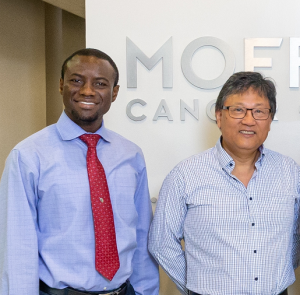
With V Foundation funding, Jong Park, Ph.D., and Kosj Yamoah, M.D., Ph.D., at H. Lee Moffitt Cancer Center and Research Institute are working to get to the root of this disparity by looking closely at the biology involved. So far, they have identified a group of genes that could lead to more personalized treatments for Black men. They also discovered new insights that could help improve screening methods to catch tumors earlier.

Delving into differences

To better understand how cancer in Black men differs from that in other groups, the researchers compared prostate cancer gene expression in several thousand tumor samples from African American and non-African American men.

They were particularly interested in studying tumors that lack a genomic alteration known as ETS fusion. ETS fusion shows up in around 60% of cases in white men and is used as an important biomarker to diagnose prostate cancer and determine the specific cancer subtype. This biomarker, however, isn’t as useful for Black men because their cancers lack ETS fusion 75% of the time.

“The gene expression studies revealed a group of genes in ETS fusion negative tumors that relate to cancer recurrence,” said Park. “Using these genes as biomarkers could help doctors predict who will have more aggressive cancer and help make sure that African American patients get the right treatments. This new information can also be used to develop a first-line treatment based on inhibitors for these genes.”

The analysis also revealed that Black patients may respond better to certain types of treatment, including immunotherapy and radiation therapy, which may be due to the biology of their disease. Additional studies have revealed immunologic differences that could be used to fine-tune immunotherapies to work better in this population.

Location matters

The researchers also discovered information that might help improve screening and diagnosis for prostate cancer across racial groups. They saw that ETS fusion negative tumors tend to be in the anterior (front) part of the prostate gland, rather than the more common posterior location. An anterior tumor might be more likely to be misdiagnosed or diagnosed later because biopsy needles tend to only reach the posterior part of the prostate gland.

“It was previously thought that African American men have more anterior tumors,” said Park. “However, we found that non-African American men with ETS negative tumors also tend to have anterior tumors, indicating that the anterior location is not race specific but is actually a biological phenomenon.”

The researchers are seeking funding for a pilot study that would examine whether mobile MRI technology could be used to better diagnose prostate cancer in Black men. Mobile MRIs can reveal otherwise hidden tumors with a quick 15-minute, contrast-free test that can be deployed in the community.

“In addition to finding prostate tumors, no matter the location, this technology could remove the barrier of having to come to a hospital for a scan,” said Yamoah. “When used in combination with blood tests, we think this approach might allow a more targeted way to diagnose prostate cancer in men of African origin.”

Getting the data

The researchers say that the V Foundation funding allowed them to gather preliminary data that wouldn’t have been possible otherwise. This has led to a variety of new collaborations and grants that are expanding on their findings.

The V Foundation funding is geared toward bold, innovative projects that may not have all the preliminary data in place. This is particularly important for work looking at disparities because it’s a new area and little data exists.
Kosj Yamoah, M.D., Ph.D.

Park adds that a multidisciplinary approach has been key for examining this complex health disparity. “I consider our team to be a dream team,” he said. “It includes physicians, a pathologist, epidemiologists, bioinformatic scientists, biostatisticians and a variety of other experts. Together we have generated a great deal of new data and have also formed new collaborations with other teams.”
Taking a research risk yields a completely new cancer therapy target

Taking a research risk yields a completely new cancer therapy target

Much of today’s cancer research focuses on making current treatments better. While this work is vital to making cancer therapies gentler and more effective, improvements typically come in small increments. For true breakthroughs, researchers need to discover completely new aspects of cancer—including new weaknesses that can be targeted with drugs.

Seth Field, M.D., Ph.D., from Case Comprehensive Cancer Center is hoping his work will lead to this type of breakthrough. He is hunting for new drug targets by studying a piece of cell machinery known as the Golgi apparatus. This organelle carries out the key function of ferrying proteins and lipids produced by the cell through the membrane to the outside of the cell.

With V Foundation funding, Field and his colleagues have discovered a part of the Golgi apparatus that seems to play a role in driving several types of cancer. They are now working to develop new drugs that inhibit this export machinery and might prove useful for treating cancer. If they continue to get positive results, the work could lead to a fundamentally new way to treat cancer.

“The funds we received from the V Foundation have been invaluable,” said Field. “They gave us the flexibility to study processes that we don’t fully understand and allowed us to do research that involves a bit of a risk.”

Following a hunch

In 2006, Field received a V Foundation grant while at the University of California San Diego. The project focused on the role of a phosphoinositide lipid molecule called PtdIns(3,4,5)P3 that was known to be important in cell growth signaling in cancer. The work led to the discovery of new targets of PtdIns(3,4,5)P3 that seem to modulate the activity of downstream cancer signaling.

“This project involved a very well-grounded approach to studying cancer because there was a lot of data that pointed toward this area as being important to study,” said Field. “However, I wanted to look deeper into the fundamental biology in hopes of finding insights that had the potential to generate more of a leap in cancer treatments.”

Following this thread, Field expanded his research to examine other members of the phosphoinositide family whose functions were unknown. He had a hunch that they might play a role in cancer, but they hadn’t been studied enough to tell for sure. Luckily, his hunch paid off, leading to the discovery of a new PtdIns(4)P effector called GOLPH3.

GOLPH3 forms the core of a molecular machine that helps the Golgi package cargo so it can be transported to the plasma membrane. Genetic studies revealed that many of the components of this complex are also oncoproteins that drive human cancers, including breast, lung, colorectal and prostate cancers.

Field and his team have shown that the GOLPH3 complex plays a key role in helping cells survive after DNA damage and that it contributes to cell migration, the process that allows cancer cells to spread. They also found that GOLPH3 enhances the Golgi’s membrane transport operations in a way that promotes cancer.

Funding from the V Foundation provided a financial cushion that enabled us to carry out these high- risk, high-reward experiments. Having funding we could fall back on if things didn’t pan out was extremely valuable in making us feel more comfortable going in this new direction.
Seth Field, M.D., Ph.D.

Finding a new type of treatment

When Field moved to Case Comprehensive Cancer Center in 2019, he used his remaining V Foundation funding to uncover how GOLPH3 helps cells send signals to each other as part of the intricate communication networks that control tumor growth.

His team found that the GOLPH3 pathway can modulate the strength of growth factor signaling, which, in turn, drives cell proliferation in a way that promotes tumor growth. Based on these findings, the team began developing small molecules that could inhibit the GOLPH3 pathway.

“We don’t yet know if we will end up with a game-changing treatment, but we do know that the inhibitors we’re developing are unlike any other approach that has been tried before,” said Field. “So far, laboratory studies have shown that our lead compounds work pretty well and have specificity for cancer over normal cells.”

The inhibitors have not yet been tested in patients, so the jury is still out on whether this approach will work. But because the inhibitors target a different signaling pathway than any current treatments, early laboratory results suggest they could potentially be used in combination with existing therapies or help patients who don’t respond to traditional cancer treatments. In fact, the researchers have already found some evidence that common chemotherapeutic agents work synergistically with some of the inhibitors under development.

Because of the research enabled by the V Foundation, Field has been able to secure several grants from the National Cancer Institute and other funders to continue studying the GOLPH3 pathway and to develop treatments that target it. His findings have also been published in top journals such as Nature and Cell, and he was a recipient of the NIH Director’s New Innovator Award and elected to the American Society for Clinical Investigation.

Partnering with communities to make cancer therapies work for all

Partnering with communities to make cancer therapies work for all

Including a diverse group of patients in cancer clinical trials is critical for developing therapies that work for everyone. Studying cancer biology and response to treatment in a variety of groups has become increasingly important as therapies take a more personalized approach to treating cancer. However, African Americans and other minorities are often underrepresented in these studies—a gap that may be partially responsible for the fact that people of color continue to suffer worse cancer outcomes than white patients.

With V Foundation funding, Lourdes Baezconde-Garbanati, PhD, from the USC Norris Comprehensive Cancer Center is working to help African American communities in Los Angeles take full advantage of cutting-edge cancer care, including the opportunity to participate in cancer clinical trials.

Los Angeles has the seventh-largest Black population in the United States, a group that includes not only people of African ancestry born in the U.S. but also those born in Africa or the Caribbean. A history of discrimination and unethical treatment has led some in these communities to distrust scientific and healthcare organizations and fueled misconceptions about how cancer research works, decreasing their willingness to participate in clinical trials. Transportation and technology challenges can also create barriers to participating in in-person or virtual clinic visits.

“We want to figure out how to make clinical trials more accessible and to improve clinical trial information so that folks in the African American community can make sound, informed decisions about their care,” said Baezconde-Garbanati. “We are doing this by working closely with community leaders as well as faith-based and other organizations to advance knowledge and change attitudes toward clinical trial participation.”

Collaborating to save lives

Baezconde-Garbanati and her colleagues are working with 40 community partners and faith-based organizations to carry out a multi-faceted education and outreach program. “We want to raise awareness so that patients and their families will know that there are lifesaving mechanisms out there that they can potentially access,” she explained. “We are also addressing important ethical issues head-on while building trust by working through community partners.”

An important part of the outreach program is a new toolkit that the researchers developed to equip community members with a better understanding of what it’s like to participate in a cancer research study, how to enroll in clinical trials and what questions to ask their doctor. The manual is the first of its kind to target the entire African American community, including African nationals.

Baezconde-Garbanati’s team has also organized a community conference that features a section on clinical trials focused on African Americans and other vulnerable populations. It also includes a panel of patients who will share their own experiences with clinical trials. The researchers plan to expand on these personal stories by posting short vignettes of patients speaking about their experiences on social media.

“We really believe in the power of storytelling,” said Baezconde-Garbanati. “Having individuals talk about their own experiences can help move the needle toward greater research participation for this community.”

Expanding the reach

As the COVID-19 pandemic spread into the communities they were working with, the researchers were dismayed to see cancer survivors becoming infected and even dying from the virus. Treatments leave many cancer survivors severely immunocompromised, and many of the survivors the researchers worked with were being exposed to the virus through family members who were essential workers. It was clear that incorporating COVID-19 education into their outreach efforts was critical to protecting this vulnerable group.

It was really devastating to see many of our most vulnerable being impacted by COVID-19. The V Foundation support literally helped save lives by allowing us to provide COVID-19 education that helped cancer survivors minimize their risk of infection.
Lourdes Baezconde-Garbanati, PhD

The V Foundation support also laid groundwork that has helped the research team expand their efforts. For example, with funding from the Lazarex Cancer Foundation, they are now creating pop-up wellness hubs for delivering cancer information directly to the community. These hubs, held at local YMCAs and churches, can also provide technology access for a telemedicine appointment or organize a ride to a clinic appointment.

“It can be difficult to get funding for outreach and engagement around cancer clinical trials even though these campaigns raise awareness that then facilitates the research,” said Baezconde-Garbanati. “The V Foundation’s goal of being game-changing makes them open to this type of innovation because it could make significant changes in terms of people’s participation in research.”

Baezconde-Garbanati adds that her group has been encouraged by Jim Valvano’s own journey with cancer. “He kept fighting till the very end, and that has been an inspiration to all of us here at the USC Norris Cancer Center as well as to our communities,” she said. “We’re honored to be a part of his legacy through the work that the V Foundation still does today.”

Pioneering a personalized approach to immunotherapy and immunotherapy combinations

Pioneering a personalized approach to immunotherapy and immunotherapy combinations

Although immunotherapies have revolutionized cancer treatment, they don’t help every patient. Only about a third of patients with non-small cell lung cancer respond to this type of treatment, which stimulates the body’s own immune system to attack cancer. New research could help boost the effectiveness of immunotherapies and help patients avoid treatments that are not likely to work—and focus on those that will.

With V Foundation funding, Valsamo Anagnostou, MD, PhD, from the Sidney Kimmel Comprehensive Cancer Center at Johns Hopkins University is taking a detailed look at what drives response and resistance to immunotherapies used with and without epigenetic therapies. Epigenetic treatments, which target modifications that alter gene expression without affecting the genetic code, are used to improve the effectiveness of some immunotherapies.

“We hope that the information we learn will eventually help providers better match patients with the combination of therapies that will work best for them,” said Anagnostou. “Understanding the mechanisms of response and resistance to these therapies could also reveal new targets that can be therapeutically leveraged down the road.”

Predicting response

Anagnostou’s research team is taking a deep dive into samples of non-small cell lung tumors from patients who received immunotherapy or combined immunotherapy and epigenetic therapy. To tease apart the complexities of cancer cells and their surrounding environment, the researchers subject each sample to a battery of analyses, including whole exome sequencing to examine changes in the tumor DNA’s coding regions, RNA sequencing to detect changes in gene expression, and T-cell receptor sequencing to understand the mixture of immune cells present in the tumor.

“By combining all of these analyses, we can more accurately capture what’s really happening, especially in terms of interactions between the tumor and the immune cells,” said Anagnostou. “We have already identified mutational profiles linked with a positive response to immunotherapy and certain gene mutations that are associated with poorer outcomes.”

To make this information clinically useful, the researchers incorporated it into a multi-feature model of response to immunotherapy. As described in a Nature Cancer paper, the model can be used to accurately identify which tumors are likely to respond to therapy, and which patients are likely to have the best chance of survival.

The tools the researchers developed during this project are already being used to provide insights into a variety of cancer types. “We fine-tuned computational pipelines for analyzing whole exome sequence data, which encompasses all the protein coding sequences in the human genome,” said Anagnostou. “These pipelines provide a wealth of information about the mutations a tumor harbors and genome-wide copy number changes, and we’re using them to analyze a plethora of patient cohorts.”

A less invasive way to detect cancer

Another part of Anagnostou’s V Foundation project focuses on using a blood test known as a liquid biopsy to detect cancer by monitoring circulating tumor DNA (ctDNA) in the bloodstream. The researchers have shown that changes in levels of mutations in ctDNA can rapidly and accurately identify which patients would benefit from therapy and which patients wouldn’t respond.

“We also found that ctDNA is a good proxy for tumor burden, independent of therapy,” said Anagnostou. “Changes in ctDNA levels after treatment reliably predicted later clinical responses whether a patient with lung cancer was on targeted therapy, immunotherapy alone or immunotherapy and epigenetic therapy.”

This is useful because it can be difficult to assess how well a person is responding to immunotherapies with conventional imaging approaches. While a lesion that appears to increase in size usually means the disease is progressing, this isn’t always the case with immunotherapies due to their unique timing and response patterns.

Based on their encouraging findings, the researchers have designed a clinical trial (NCT04093167) to further test how well liquid biopsy can assess treatment response in patients with lung cancer. If results from the trial and future studies are positive, this could give oncologists a more reliable, less expensive and less invasive way to determine whether immunotherapy is working.

Anagnostou says that the V Foundation funding, one of the first awards she received, was instrumental in her career development. “I was an instructor when I received it,” she said.

Within the course of the award I became an associate professor, formed a 20-member wet and dry lab and began leading the molecular tumor board at Johns Hopkins as well as the thoracic oncology biorepository. These accomplishments were made possible by the research we did with support from the V Foundation award.
Valsamo Anagnostou, MD, PhD

Finding cancer’s weak spots

Finding cancer’s weak spots

Many childhood cancers are now very treatable thanks to new approaches to therapy. However, progress has been slower for rhabdomyosarcoma, the most common soft tissue sarcoma affecting children. Unfortunately, children with this cancer have few options, so they usually receive very aggressive treatments that don’t always work. Even when therapies do work, they tend to come with serious, long-term health problems.

With V Foundation support, Mark Hatley, M.D., Ph.D., at St. Jude Children’s Research Hospital is trying to figure out what drives rhabdomyosarcoma in hopes of finding new ways to help children with this cancer.

“Researchers have been working on developing treatments for rhabdomyosarcoma for decades, but this work hasn’t moved the needle that much,” said Hatley. “Instead of trying to find the next new drug to try, I’m focused on figuring out what makes this disease tick. Once we know this, we can identify key vulnerabilities that might be used to attack this cancer.”

One frustrating challenge for rhabdomyosarcoma, especially the type known as fusion negative, is that the tumors all seem to be markedly different. Because researchers haven’t found a single genetic mutation that is present in all or most of the patients with this cancer, it had been difficult to develop a targeted treatment.

Looking beyond the code

Although fusion negative rhabdomyosarcoma tumors are genetically diverse, it turns out that they do share certain epigenetic modifications — changes that control gene expression without affecting the genetic code. Another research group found that in 90% of patients with fusion negative rhabdomyosarcoma, the tumor suppressor gene PTEN was turned off due to an epigenetic change. This means that the cellular machinery that typically protects cells from becoming cancerous is essentially turned off in these patients.

To learn more about this process, Hatley and his team developed a genetically engineered mouse that models fusion negative rhabdomyosarcoma. “When we turned off PTEN in the mouse models, tumors developed much faster and more of the mice developed the tumors,” he explained. “The resulting tumors were not only more aggressive, but also more closely resembled rhabdomyosarcoma tumors from patients, which validated our model.”

Studies in other cancers have shown that PTEN in the cell cytoplasm—the gooey substance that makes up the bulk of a cell—weakens a signaling pathway that normally helps regulate the cell cycle. However, when the researchers knocked out PTEN in the fusion negative rhabdomyosarcoma tumors, they were surprised that it didn’t seem to affect this pathway.

Cellular location is key

When the researchers took a closer look, they found that in rhabdomyosarcoma cells, PTEN was mostly in the cell nucleus instead of its usual spot in the cytoplasm. Additional experiments revealed that this nuclear PTEN was controlling expression of PAX7, a gene that plays a key role in determining whether a cell stays normal or turns cancerous.

“When we removed PAX7 in human rhabdomyosarcoma cells, the cells died,” said Hatley. “This showed that the PTEN–PAX7 relationship is required for maintaining these cancer cells.” Hatley and his team recently published these findings in Nature Communications.

This project was pretty risky, and the V Foundation was absolutely critical to getting it off the ground. The support allowed us to gather data that we were able to leverage to secure an R01 grant from the National Cancer Institute.
Mark Hatley, M.D., Ph.D.

With this new funding, the researchers are now digging deeper into the PTEN–PAX7 pathway to find weaknesses that could be exploited with targeted therapies. They hope that their new insights can lead to therapies that give kids with rhabdomyosarcoma a fighting chance at a long and healthy life.

What can tumors teach us?

What can tumors teach us?

Although great strides have been made in treating cancer, there are still some types of cancer that don’t respond well to treatment. When studying these hard-to-treat cancers, researchers tend to focus on a single mutated gene or one signaling pathway. However, tumors, especially those that affect children, can be more complex than this.

“We often think of the communication signals between cells and within cells as linear, and that’s how it is explained in in textbooks,” said Corinne Linardic, M.D., Ph.D., from the Duke University School of Medicine. “However, it doesn’t really work that way. There is a constant conversation taking place between different pathways in different cells. Because of this, we need to be very open-minded when studying cancer.”
With V Foundation funding, Linardic is working to tease apart some of cancer’s complexities by studying the interactions of two cancer-causing proteins involved in the childhood cancer rhabdomyosarcoma, the most common soft tissue sarcoma in children. A better understanding of the cellular “conversations” involved in this connective tissue cancer could lead to more effective treatment approaches.

“Rather than studying one aspect of a tumor or looking at a particular potential treatment, we are asking ourselves what this tumor can teach us,” said Linardic. “We’re approaching our work with the understanding that the medicines we need may not exist yet. In fact, it’s likely that each child’s tumor may eventually require a slightly different treatment approach.”

Listening in on cellular conversations

Linardic is studying the proteins produced by the RAS and YAP genes. Until recently it was thought that mutations in these proteins act independently in rhabdomyosarcoma. However, Linardic’s research team, especially the efforts of postdoctoral researcher Alex Kovach, Ph.D., found that in the embryonal type of rhabdomyosarcoma, called ERMS, there seem to be many points at which these proteins and their signals cross paths.

“With the V Foundation project, we wanted to elucidate YAP’s role in ERMS tumors with a RAS mutation,” said Linardic. “Because other human cancers also have RAS mutations and YAP upregulation, this work might reveal insights that are important for other cancers.”

After cultivating ERMS cancer cells with a RAS mutation, the researchers “eavesdropped” on the messages YAP proteins send within the cancer cells. They discovered that YAP helps relay a message from the cell’s outer membrane to suppress a protein in its interior. The content of the message? “Keep growing.” Rather than exiting the cell cycle as they normally would, cells receiving this message keep growing and multiplying—a hallmark of cancer.

Based on this finding, Linardic zeroed in on a drug that was recently identified to indirectly target this YAP signal. When the team tested it in ERMS mouse models, the drug slowed growth of the cancer cells.

Exciting new directions

As part of the project, the researchers also explored ERMS cancers that don’t have RAS mutations—or, for that matter, any other notable genetic mutations. To find out what makes these cells cancerous in the absence of mutations, the researchers looked to long strands of RNA that influence how genes are expressed, called long non-coding RNAs. This led them to a particular long non-coding RNA that appears to play an important role in turning off tumor suppressor genes in ERMS, which could explain how these tumors get started without particular DNA mutations.

The security of having a three-year grant allowed us to explore this RNA biology idea that sprang from our original hypothesis. We were really excited by what we found, and this has led our lab in a completely new direction.
Dr. Corinne Linardic

The data and information gained with the V Foundation funding helped Linardic secure additional funding to study whether long non-coding RNAs might be tractable therapeutic targets in rhabdomyosarcoma.

“I hope that eventually we can begin to understand or categorize each child’s tumor to figure out the right combination of drugs for that tumor based on whether it has a mutation in protein-coding genes or non-protein coding genes,” said Linardic. Realizing that vision would help more families rest easier in the knowledge that their child is getting exactly the right treatment to give them the best possible chance to survive and thrive.

Making treatments more powerful—and more practical

Making treatments more powerful—and more practical

For many people with cancer, receiving life-saving treatments such as chemotherapy requires hours of sitting in a clinic with an IV, day after day, over the course of many weeks. Wouldn’t it be better to simply take a pill at home?

New targeted therapies for patients with acute myeloid leukemia (AML) could allow some patients to do just that. The drugs, available in pill form, inhibit mutations in the IDH1 or IDH2 genes that are present in about 20% of AML patients. In addition to being more convenient, IDH inhibitors may be both more effective and have fewer side effects than conventional chemotherapy for patients with IDH mutations.

Courtney DiNardo, M.D., from MD Anderson Cancer Center, is one of the leading researchers developing IDH inhibitors and other AML treatments. With V Foundation funding, she set up a series of clinical studies aimed at making the best use of these promising therapies.

“We want to improve treatments by figuring out the best way to combine targeted IDH inhibitors with other treatments,” DiNardo explained. “Since the IDH inhibitors are in pill form, we are hopeful that the combined therapy will be more effective and also more convenient, and allow patients to remain in the comfort of their own homes during treatment.”

Overcoming resistance

DiNardo helped develop the first IDH1 and IDH2 inhibitors, which received FDA approval for use in leukemia patients with IDH mutations in the relapsed setting. However, researchers are still working to determine the optimal way to use these drugs. When used alone, the drugs tend to work well for a while, but then the cancer becomes resistant and begins to rebound.

“The best way to accomplish the most durable responses for patients and have their leukemia hopefully cured is by incorporating these single-agent targeted therapies with other effective cancer-directed therapies,” DiNardo said. “To figure out the best way to do this, we designed a group of clinical trials to test various combinations.”

Early results from some of these studies are very promising. In one study, researchers are administering a three-part regimen that includes the IDH1 inhibitor ivosidenib combined with two lower-intensity treatments that are the standard of care for older patients with AML.

“Responses from the first dozen or so patients to receive the ‘triplet’ regimen are phenomenal,” DiNardo said. “About 90% of these patients are showing cancer remission. This includes patients who are newly diagnosed as well as patients who have relapsed, where expectations for successful treatment are, unfortunately, lower.”

It’s too early to tell how long these responses will last, but the researchers are excited that early relapses are minimal and that the drug combination is well tolerated. This combination could eventually be administered at home since two of the three drugs are already available as a pill and the third drug has an oral formulation currently under evaluation. Additional clinical studies are examining a variety of other drug combinations, including a different triplet formulation in which all three drugs can be taken in pill form.

Giving patients options

One big benefit of having multiple clinical trials underway at one time is that doctors can select the best-fit trial for each patient. No matter where a person is in their cancer journey, they can likely find a trial that they’re eligible for and that best matches the unique characteristics of the patient and the leukemia. This is different from the traditional single-trial approach in which trials are designed for patients at a particular stage, such as all newly diagnosed patients or those who have relapsed.

The V Foundation support allowed me to develop a group of very meaningful clinical trials, rather than putting all of our resources into one specific trial. Running a program of clinical trials like this is not easy. It is expensive, challenging to organize and requires an enormous team. This funding helped me get this team together and put the whole process into place while laying the groundwork necessary to ensure ongoing and future support.
Courtney DiNardo, M.D.

The preliminary data and groundwork infrastructure made possible with the V Foundation project allowed DiNardo and her colleagues to secure additional funding support to continue and expand these clinical trials. They hope the studies will answer critical questions and allow more AML patients and families to benefit from the power and convenience of IDH inhibitors.

Learning All We Can from Patients with Cancer

Learning All We Can from Patients with Cancer

Immunotherapies, one of the newest and most promising types of cancer treatments, use various methods to harness the body’s immune cells to fight cancer. Although these breakthrough therapies are providing hope for many patients in whom traditional treatments fail, scientists are still figuring out how to make them more effective for childhood cancers, especially solid tumors such as sarcomas.

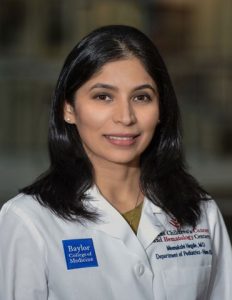
Sarcomas affect connective tissues such as muscle and fat and tend to occur in children and teenagers more than adults. With support from a V Foundation translational grant, Meenakshi Hegde, M.D., from Texas Children’s Hospital, aims to help children with these cancers benefit from CAR T-cell therapy, an immunotherapy in which some of a patient’s T-cells are equipped with a special receptor called “CAR” that helps them find and kill tumor cells expressing the protein HER2.
Although two FDA-approved CAR T-cell therapies work well in some adults and children with leukemia, these treatments target a molecule on cancer cells that is not present in sarcomas or other solid cancers. “We’re working to tweak the CAR T-cell treatment or use other agents to modify the sarcoma tumors so that patients have a higher likelihood of benefit,” said Hegde. “We are studying this treatment in children who haven’t responded to any other treatment with the hope of developing immunotherapies that can be used as a standard treatment rather than a last resort.”

A complex tumor environment

Sarcomas are difficult to treat with immunotherapies because they are made of a complex mixture of tumor cells, other supporting cells and immune cells equipped with inhibitory machinery, allowing them to ward off the body’s normal defenses as well as CAR-enhanced T-cells. To defeat these protections, Hegde’s research team is refining ways to design and deliver the CAR T-cell therapy so the enhanced T-cells are better prepared to seek out and eliminate cancer cells.

“The cell cultures and animal models typically used to study CAR T-cell treatment for cancer can’t completely recapitulate the complexities of the sarcoma tumor environment in the human body,” said Hegde. “We recently completed a very carefully designed clinical trial to test the safety and to determine the maximum dose for our treatment in children with sarcoma. We want to learn as much as we can from these patients to make CAR T-cell treatments better.”

The researchers are already seeing very promising signals. A child with sarcoma that had spread to other parts of the body and had not responded to standard first- or second-line treatments achieved a complete response after receiving the CAR T-cell treatment. Although he experienced a recurrence, a second CAR T-cell treatment was successful. He has remained in remission without any evidence of cancer for more than five years after starting treatment on this clinical trial. This work was published in Nature Communications.

“It’s not often that we see this type of response in a safety trial for this kind of treatment,” said Hegde. “We think that the repeat dose of CAR T-cells may have signaled other parts of his immune system to mount a response against cancer.” The researchers are continuing to study this immune response and are also working to develop ways to curtail the high levels of inflammation that can accompany the treatments.

Combining treatments

Now that they’ve established a safe dosage, the researchers will soon be starting a new clinical study that will combine their CAR T-cell treatment with another immunotherapy known as a checkpoint inhibitor that helps the body’s natural immune defenses work better against cancer. They are also testing a new genetic modification to CAR T-cells designed to target the HER2 protein on cancer cells to enable simultaneous checkpoint inhibition. The researchers think that the new T cell product could potentially improve tumor responses after infusion into the patient.

“We are one of the first groups to study what happens to the patient’s immune system in response CAR T-cell treatments,” said Hegde. “We are also hoping to test our new treatment T-cell product in people for the first time in the next few years.”

Hegde says that the V Foundation funding was extremely helpful in moving this research forward. “It is important to learn from clinical trials, but it isn’t always easy to get funding for research that takes this approach,” she said. “This funding has helped move us closer to our long-term goal of finding rational combination treatments that improve response rates and outcomes for these patients who do not benefit from conventional chemotherapy.”

Developing a Blood Test to Detect Residual Cancer

Developing a Blood Test to Detect Residual Cancer

For many cancers, there is no way to tell who has been completely cured and who needs more treatment. As a result, many patients receive additional treatments aimed at killing every remaining cancer cell, even though some of these patients are already cancer free.

To help patients avoid unnecessary treatments and the side effects that come with them, Muhammed Murtaza, MD, PhD, from the University of Wisconsin-Madison is developing a new blood test with V Foundation funding. Unlike available tests, his team’s test is designed to be sensitive enough to tell when just a few cancer cells remain. “We want to be able to identify the presence of any residual disease so that each patient can receive just the right amount of treatment needed,” said Murtaza.
Detecting miniscule amounts of DNA

The team’s work focuses on circulating tumor DNA found in the blood plasma, the liquid portion of the blood. In patients with metastatic cancer, DNA in blood plasma contains mutations that match those in a tumor biopsy. As the tumor grows, the amount of circulating tumor DNA rises, and if the tumor shrinks, these levels fall.

The problem is when circulating tumor DNA levels are so low that they are undetectable with available tests. It’s not always clear if a negative test result means the cancer is gone, or just too small to be detected. “We wanted to figure out if this was a problem with the sensitivity of the detection methods,” said Murtaza. “We also wanted to see whether circulating tumor DNA levels could be useful in the treatment of early-stage cancers.”

Better tests could potentially help doctors catch cancer earlier and detect residual cancer cells after treatment, but identifying tumor mutations in blood plasma requires an extremely sensitive test. A 10-milliliter vial of blood – the amount usually collected during a lab test – contains about 6,000 copies of the genome. For patients with metastatic cancer, less than 1% of that DNA is from the tumor. For early-stage cancer patients, that percentage is far less.

Boosting sensitivity

Most studies involving circulating tumor DNA look for a single cancer mutation. Murtaza wondered: Would circulating tumor DNA be easier to find with a test that looks for multiple mutations, instead of just one?

To do this, Murtaza and his team spent years developing a blood test that looks for a hundred mutations present in a patient’s tumor biopsy. If even one or two of the mutations from the biopsy are present in the blood plasma, that provides enough evidence that the tumor is likely still present, and thus more treatment is needed. The challenge was finding a way to reliably identify a hundred different mutations from a specific patient’s tumor without having to change the assay, or test protocol, for each patient.

“A lot of work went into achieving reliability and stability in the lab, coupled with improvements in computational analysis so that we can leverage the assay and the data we are generating to make a judgment about each sample,” said Murtaza. “The integrated nature of the computational and molecular biology parts of the lab were instrumental in making this advance. We also worked closely with our clinical partners to interpret the information.”

Taking the test to the clinic

The researchers call their approach targeted digital sequencing, or TARDIS. To find out if TARDIS is sensitive enough to detect residual cancer, the researchers tested it with a small group of early-stage breast cancer patients who received chemotherapy to shrink their tumors before undergoing surgery.

When they used TARDIS to analyze circulating tumor DNA in blood samples taken before and after chemotherapy, the researchers found that patients with residual disease had circulating tumor DNA levels that were six-fold higher than patients with no evidence of cancer.

Murtaza’s team is now conducting a follow-up study in a larger group of breast cancer patients to further validate the test. They have also started applying the approach to other tumor types such as the brain cancer glioblastoma and colorectal cancer.

“As things stand now, we can use TARDIS in research studies and clinical trials to identify patients who may need additional therapy,” said Murtaza. “My hope is that we will continue to push the sensitivity so that if it doesn’t show evidence of disease in patients, we can be confident that the patient doesn’t need more treatment.”

Murtaza says that when he began this project, the idea for developing TARDIS was very aspirational, but V Foundation funding helped make it a reality.

The V Foundation support helped me develop this technology to the point where we could solicit support from the NIH. We’ve now been awarded two different grants from the NIH for projects that are applying this technology.
Muhammed Murtaza, MD, PhD

Ultimately, he hopes that TARDIS will help more patients achieve the sigh of relief that comes with knowing they are cancer free—and thus sparing them from unnecessary treatments.

Posts navigation

Older posts
Newer posts

Join Our Mailing List

Follow Us
Facebook logo Twitter logo Instagram logo TikTok logo
Language
Get In Touch

The V Foundation for Cancer Research, 14600 Weston Parkway, Cary, NC 27513
Email: [email protected]    Phone: 919-380-9505

Charity Navigator logo Candid GuideStar logo
About Us
  • About Us
  • Our Story
  • Leadership & Collaboration
  • Partners
  • Financial Responsibility
  • Diversity, Equity and Inclusion
  • Careers
  • Cookie Policy
Stories
  • All
  • Inspiration
  • Team Science
  • V Ambassadors
  • Video & Podcasts
  • News
Research
  • Research Overview
  • Award Programs
  • Grant Selection Process
  • Funded Grants
  • Special Funds
  • Researcher Resources
Events
  • Events & Fundraisers
  • Events Calendar
  • Signature Events
  • Run For Team V
  • Fundraise for the V
  • Fundraising Friends
How to Help
  • How to Help
  • Ways to Give
  • Honors and Memorials
Copyright © 2026 The V Foundation for Cancer Research. All rights reserved.
Registered Charity: 818632911 RR0001
Legal Privacy Policy
Manage Consent
To provide the best experiences, we use technologies like cookies to store and/or access device information. Consenting to these technologies will allow us to process data such as browsing behavior or unique IDs on this site. Not consenting or withdrawing consent, may adversely affect certain features and functions.
Functional Always active
The technical storage or access is strictly necessary for the legitimate purpose of enabling the use of a specific service explicitly requested by the subscriber or user, or for the sole purpose of carrying out the transmission of a communication over an electronic communications network.
Preferences
The technical storage or access is necessary for the legitimate purpose of storing preferences that are not requested by the subscriber or user.
Statistics
The technical storage or access that is used exclusively for statistical purposes. The technical storage or access that is used exclusively for anonymous statistical purposes. Without a subpoena, voluntary compliance on the part of your Internet Service Provider, or additional records from a third party, information stored or retrieved for this purpose alone cannot usually be used to identify you.
Marketing
The technical storage or access is required to create user profiles to send advertising, or to track the user on a website or across several websites for similar marketing purposes.
  • Manage options
  • Manage services
  • Manage {vendor_count} vendors
  • Read more about these purposes
View preferences
  • {title}
  • {title}
  • {title}
Manage Consent
To provide the best experiences, we use technologies like cookies to store and/or access device information. Consenting to these technologies will allow us to process data such as browsing behavior or unique IDs on this site. Not consenting or withdrawing consent, may adversely affect certain features and functions.
Functional Always active
The technical storage or access is strictly necessary for the legitimate purpose of enabling the use of a specific service explicitly requested by the subscriber or user, or for the sole purpose of carrying out the transmission of a communication over an electronic communications network.
Preferences
The technical storage or access is necessary for the legitimate purpose of storing preferences that are not requested by the subscriber or user.
Statistics
The technical storage or access that is used exclusively for statistical purposes. The technical storage or access that is used exclusively for anonymous statistical purposes. Without a subpoena, voluntary compliance on the part of your Internet Service Provider, or additional records from a third party, information stored or retrieved for this purpose alone cannot usually be used to identify you.
Marketing
The technical storage or access is required to create user profiles to send advertising, or to track the user on a website or across several websites for similar marketing purposes.
  • Manage options
  • Manage services
  • Manage {vendor_count} vendors
  • Read more about these purposes
View preferences
  • {title}
  • {title}
  • {title}